
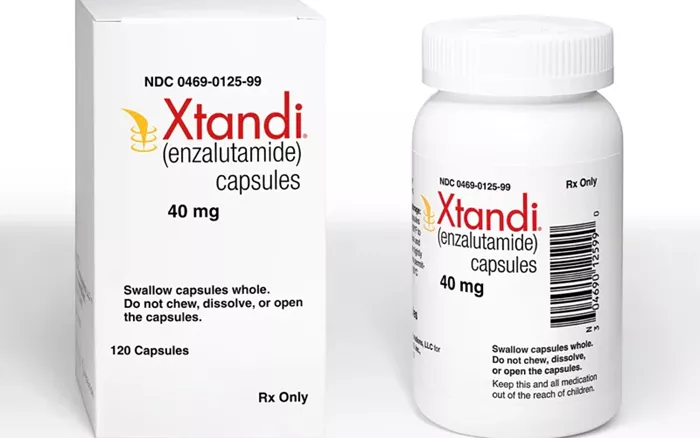
A major clinical trial has found that combining two prostate cancer drugs—enzalutamide and leuprolide—reduces the risk of death by 40% in men with recurrent advanced prostate cancer. The long-term data, covering eight years of follow-up, represents one of the most significant survival improvements seen in this patient group.
According to lead investigator Dr. Stephen Freedland, professor of urology at Cedars-Sinai Medical Center in Los Angeles, the findings suggest a paradigm shift in how recurrent prostate cancer is managed. “For many of these patients, I think we are turning prostate cancer into a chronic disease,” Freedland said. “That’s really exciting.”
Understanding Prostate Cancer Recurrence
Prostate cancer remains the second leading cause of cancer-related death among men, surpassed only by lung cancer. After surgery or radiation, about one in three men experience what doctors call biochemical recurrence. This occurs when prostate-specific antigen (PSA) levels rise rapidly—often doubling in less than nine months—yet no visible tumor appears on imaging scans.
This population formed the basis of the recent study, which explored how combination therapy could change the disease course.
The Treatment: Enzalutamide and Leuprolide
The trial tested the effects of enzalutamide (Xtandi)—an androgen receptor inhibitor—alongside leuprolide, a hormone therapy that reduces testosterone production. Testosterone is known to fuel prostate cancer cell growth, making its suppression a central strategy in treatment.
The results were striking. After eight years:
- 79% of men taking both enzalutamide and leuprolide were alive.
- 73% of those taking enzalutamide alone survived.
- 70% survived with leuprolide alone.
While the percentage differences might seem modest, they translate into a 40% relative reduction in the risk of death compared with standard therapy—an unprecedented figure in prostate cancer recurrence treatment.
Dr. Freedland emphasized that no other therapy has produced such durable outcomes. “This combination should now be considered the clear standard of care for men whose prostate cancer has returned,” he said.
The Price of Progress: Managing Side Effects
However, the benefits come with notable side effects. Patients often experience fatigue, gynecomastia (breast enlargement), and decreased libido, which can significantly affect quality of life.
Dr. Neil Fleshner, professor of urology at the University of Toronto and an expert on enzalutamide, highlighted how profound these effects can be. “I usually tell men that when they start leuprolide, they’ll be about 90% of their normal selves,” Fleshner said. “But when you add enzalutamide, it becomes more profound—around 70% or 75% of your former energy, muscle mass, and strength.”
Because of this, the decision to start combination therapy must be individualized, balancing longevity with day-to-day well-being.
Talking to Your Doctor: Key Questions
If your prostate cancer has returned after initial treatment, these findings could influence your next steps. Experts recommend discussing the following questions with your physician:
1. Am I a Candidate for Combination Therapy?
The benefits apply most clearly to men with rapidly rising PSA levels. If your PSA doubles quickly—within nine months or less—combination therapy may offer significant advantages.
For men with slower PSA growth, however, aggressive treatment might be unnecessary. “That would probably be over-treatment,” Fleshner said.
2. How Does Age Influence My Treatment Plan?
Age and overall health play major roles in choosing therapy. Dr. Freedland noted that by age 70, most men already experience reduced sexual activity, and medications can help manage that. Yet for older men—especially those 75 and above—side effects like fatigue and frailty can be more debilitating.
3. Can Enzalutamide Alone Be an Option?
For patients who prioritize preserving sexual function, enzalutamide monotherapy may be considered. Although it still causes fatigue, the decline in libido and erectile function tends to occur more gradually than with leuprolide-based therapies.
Dr. Fleshner added that dosage adjustments can help manage side effects. “Sometimes I reduce the enzalutamide dose to limit the fatigue,” he said.
Revisiting Treatment Choices
If you’re already on monotherapy, these new findings warrant a conversation with your doctor. “It may well be that you’re on the correct therapy,” Freedland said, “but for more aggressive tumors, you want the most aggressive treatment.”
Today’s advanced imaging, such as PSMA PET scans, can detect recurrences earlier than in the original trial. If scans show metastasis, doctors may now consider combining drug therapy with targeted radiation for optimal control.
Freedland concluded, “We couldn’t identify any subset of patients who didn’t benefit. Even with newer imaging and treatment strategies, this combination remains a powerful option.”
A Turning Point in Prostate Cancer Care
This groundbreaking study represents a pivotal step forward in managing recurrent prostate cancer. By combining hormonal and androgen-blocking therapies, doctors can offer patients a significant survival advantage and the possibility of living years longer with a manageable chronic disease.
While the side effects remain a real challenge, ongoing research continues to refine treatment doses and sequences to maintain quality of life. For now, these results provide new hope—and new questions—for men facing prostate cancer recurrence.
Related topics
