
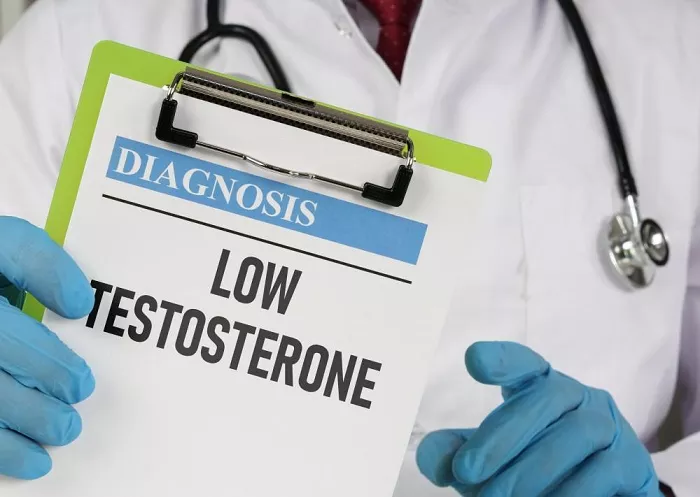
Testosterone therapy represents a medical treatment primarily prescribed for males with clinically diagnosed hypogonadism characterized by insufficient testosterone production confirmed through biochemical testing and clinical symptoms.
This hormonal intervention addresses various conditions including congenital disorders like Klinefelter syndrome, acquired testicular dysfunction from trauma or infection, and age-related decline that significantly impacts quality of life. Additionally, it serves specific purposes in pediatric endocrinology for carefully managed delayed puberty cases and in oncology as part of breast cancer management protocols where androgen therapy may be indicated.
The therapy aims to restore physiological testosterone levels through exogenous supplementation, utilizing various delivery systems tailored to individual patient needs, preferences, and specific clinical circumstances.
Examining Pharmacological Mechanisms and Physiological Effects
As the primary male sex hormone, testosterone exerts its effects through multiple biological pathways that regulate numerous physiological processes throughout the body. It binds to androgen receptors regulating gene expression that governs sexual development, muscle mass maintenance, bone density preservation, and erythrocyte production in bone marrow.
In puberty induction under medical supervision, testosterone stimulates development of secondary sexual characteristics including vocal cord thickening, body hair growth, and musculoskeletal maturation according to appropriate developmental timelines.
For hypogonadal men, replacement therapy restores metabolic functions, libido, and overall vitality by addressing the underlying hormonal deficiency. In specific breast cancer treatment contexts, testosterone may counteract estrogenic stimulation of malignant growth through competitive receptor binding and metabolic conversion to estradiol in certain therapeutic protocols.
Analyzing Available Formulations and Delivery Systems
Modern testosterone therapy offers diverse administration options to accommodate individual preferences and clinical requirements, with each method presenting distinct advantages and limitations. Oral capsules feature modified release technology avoiding first-pass metabolism through lymphatic absorption, though requiring careful timing and consistent administration.
Transdermal systems include gels, patches, and creams providing steady-state hormone levels through skin absorption, requiring proper application techniques to ensure consistent dosing and prevent secondary exposure. Injectable preparations encompass short and long-acting esters administered intramuscularly or subcutaneously, offering periodic dosing but potentially producing fluctuating hormone levels between administrations.
Subcutaneous pellets offer sustained release over several months through minor surgical implantation, while nasal gels provide pulsatile delivery requiring multiple daily applications to maintain stable levels.
Identifying Common and Serious Adverse Effects
Therapeutic testosterone use carries predictable side effects related to its pharmacological actions that require monitoring and management throughout treatment. Common reactions include erythrocytosis requiring periodic phlebotomy to maintain safe hematocrit levels, acne exacerbation particularly in susceptible individuals, and fluid retention that may affect those with cardiovascular conditions.
Significant concerns involve cardiovascular risks particularly thromboembolic events and potential atherosclerosis progression that necessitate regular cardiovascular assessment. Prostate monitoring remains essential due to possible benign hyperplasia stimulation and theoretical cancer risk requiring urological evaluation. Hepatic effects vary by formulation with oral products posing greater hepatotoxicity potential than parenteral options, while metabolic impacts include insulin resistance potential and lipid profile alterations requiring ongoing assessment and management.
Recognizing Specific Contraindications and Precautions
Absolute contraindications include prostate and male breast cancer histories due to potential disease stimulation that could accelerate cancer progression, requiring thorough screening before initiation. Severe cardiorenal impairment prohibits certain formulations particularly those with significant fluid retention risks that could exacerbate heart failure or kidney dysfunction.
Pre-existing polycythemia, severe sleep apnea, and untreated infertility represent relative contraindications requiring careful risk-benefit analysis and specialized management approaches. Special considerations apply to adolescents where premature epiphyseal closure may compromise final height, necessitating pediatric endocrinology supervision. Potential drug interactions warrant attention particularly with anticoagulants where testosterone may affect coagulation, insulin where sensitivity may change, and corticosteroids where combined effects may occur.
Implementing Appropriate Monitoring and Safety Protocols
Comprehensive baseline assessment precedes therapy initiation including cardiovascular risk evaluation, prostate screening through PSA and digital rectal examination, and hematologic parameters to establish pretreatment values. Ongoing monitoring involves quarterly evaluations during initial treatment transitioning to semiannual assessments upon stabilization, with more frequent follow-up for patients with complicating factors or adverse effects.
Essential parameters include hematocrit, hemoglobin, PSA levels, and lipid profiles tracked over time to detect trends requiring intervention. Symptom assessment covers cardiovascular, respiratory, and urological systems with particular attention to sleep-disordered breathing and emotional changes that may emerge during treatment. Dose adjustment considerations balance efficacy optimization with adverse effect minimization, individualizing therapy based on clinical response, side effects, and patient preferences to achieve optimal outcomes while maintaining safety.
Related topics:
