
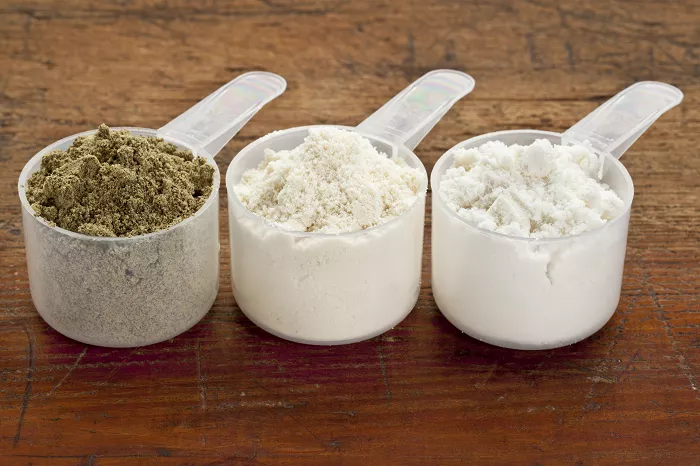
Protein powders have gained significant popularity as convenient nutritional supplements, particularly among individuals seeking to support fitness goals or enhance dietary intake without extensive meal preparation. These products typically derive from various sources including whey, casein, egg, soy, or plant-based proteins like pea, rice, and hemp, each offering distinct absorption rates and amino acid profiles.
While offering practical solutions for increasing protein consumption, understanding their proper usage and potential concerns remains essential for making informed decisions about incorporating them into one’s diet. The growing market reflects increasing consumer interest in health optimization, though scientific evidence supporting some claims remains limited and requires careful evaluation.
Examining Heavy Metal Contamination Concerns in Protein Supplements
Independent testing conducted by organizations such as the Clean Label Project has revealed concerning levels of heavy metals in many commercial protein powders available on the market. Their 2018 report indicated detectable amounts of arsenic, cadmium, lead, and mercury across numerous products, with plant-based powders often showing higher contamination levels than animal-derived options due to soil absorption patterns in crops.
Organic products surprisingly demonstrated greater contamination than conventional varieties, possibly due to the absence of certain agricultural practices that might reduce metal uptake in standard farming. These findings highlight the importance of third-party testing and manufacturer transparency in ensuring product safety, particularly for regular consumers who may accumulate heavy metals over time through frequent consumption.
Recognizing Regulatory Limitations for Dietary Supplements
Protein powders fall under dietary supplement regulations which differ significantly from food and pharmaceutical oversight in terms of safety requirements and quality control. The FDA does not require pre-market safety approval for supplements nor mandate proof of label accuracy before products reach consumers, creating potential gaps in quality assurance.
This regulatory framework places substantial responsibility on manufacturers for quality control while requiring consumers to report adverse events after consumption rather than preventing issues proactively. Understanding these limitations helps consumers make more informed choices and encourages additional research when selecting supplements, including looking for third-party verification from organizations like USP or NSF International that test for purity and accuracy.
Evaluating Ingredient Profiles and Additive Concerns
Beyond basic protein sources, many products contain various additives that may cause sensitivities or digestive issues in certain individuals, particularly with regular use. Common ingredients include artificial sweeteners like sucralose, natural sweeteners such as stevia and monk fruit, thickeners including guar gum and xanthan gum, and added fibers like inulin that affect texture and digestibility.
While generally recognized as safe by regulatory agencies, these substances can trigger gastrointestinal discomfort in sensitive individuals, particularly when consumed in large quantities or combined with other foods containing similar ingredients. Some consumers may experience bloating, gas, or other digestive disturbances that reduce compliance and satisfaction with protein supplementation regimens.
Implementing Appropriate Usage Guidelines and Portion Control
The principle of dosage moderation applies particularly well to protein powder consumption, where needs vary significantly based on individual factors like body weight, activity level, and overall diet. While occasional use for post-workout recovery or meal replacement may benefit most healthy adults, frequent incorporation throughout the day can lead to nutrient imbalances and potential toxicity concerns from contaminants or excessive protein intake.
Medical literature suggests that moderate protein supplementation within overall dietary needs generally poses minimal risk, but excessive intake may stress renal function over time, particularly in individuals with pre-existing kidney conditions or reduced renal capacity. Balancing powder use with whole food sources ensures a more complete nutrient profile while reducing potential risks associated with processed supplements.
Monitoring Individual Tolerance and Physiological Responses
Individual responses to protein powders vary significantly based on genetics, existing health conditions, and consumption patterns, requiring personalized approaches to supplementation. Even products marketed as natural or organic can cause adverse reactions in sensitive individuals, including digestive discomfort, allergic responses, and interactions with medications that affect absorption or metabolism.
Starting with small servings and gradually increasing while monitoring for symptoms helps identify personal tolerance levels and avoid negative reactions that might occur with full-dose consumption immediately. Healthcare provider consultation becomes particularly important for individuals with metabolic conditions, medication regimens, or specific health concerns that might interact with supplement components or affect protein metabolism.
Prioritizing Whole Food Sources for Primary Nutrition
Whole foods provide protein within a complex nutritional matrix containing complementary nutrients that enhance absorption, utilization, and overall health benefits beyond isolated supplements. Animal sources like lean meats, dairy, and eggs offer complete amino acid profiles alongside important micronutrients like iron, zinc, and B vitamins that support metabolic processes.
Plant sources including legumes, nuts, seeds, and whole grains provide additional fiber, phytonutrients, and healthy fats that contribute to satiety and digestive health. The synergistic effects of nutrients in whole foods contribute to better long-term health outcomes than isolated supplements, making them preferable as primary protein sources while using powders strategically to fill specific gaps or convenience needs when necessary.
A balanced approach that emphasizes whole foods with selective supplement use typically yields the best results for most individuals seeking to optimize their protein intake.
Related topics
