
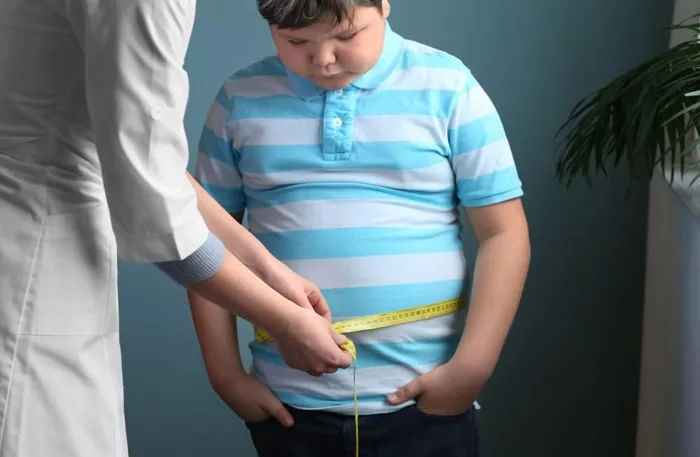
A recent report published in the journal [Pediatric Obesity] synthesized findings from the European EndObesity Consortium, emphasizing the impact of the “first 1,000 days”—spanning preconception through the first two years of life—in preventing childhood obesity. This narrative review identified key risk factors and modifiable behaviors critical to curbing the global rise in childhood obesity.
The report reveals that current lifestyle interventions aimed at reducing obesity risk tend to start too late, overlook paternal influences, and fail to tackle social barriers rooted in cultural systems worldwide. To be effective, childhood obesity prevention must involve both parents from before conception and require broad systemic policy changes alongside family-level interventions.
Childhood Obesity: A Growing Global Health Crisis
Childhood obesity stems from imbalanced caloric intake and expenditure, linking to significant long-term health risks such as adult obesity, cardiovascular disease, and premature death. According to the World Obesity Atlas 2024, over 750 million children aged 5 to 19 are projected to be overweight or obese by 2035, calling for urgent action. Longitudinal research shows that more than 60% of children with obesity remain obese into adulthood, perpetuating health risks and economic burdens globally.
Emerging evidence points to early life—specifically, developmental changes in the womb and infancy—as a critical period where obesity risk is programmed. Although family lifestyle factors like diet, physical activity, and stress influence obesity, many traditional prevention efforts have failed to stem rising childhood obesity rates.
Understanding Modifiable Family Risk Factors
The EndObesity Consortium’s framework centers on adverse, modifiable family lifestyle factors during three crucial periods: preconception, pregnancy, and early childhood. Maternal nutrition and lifestyle shape the environment for the developing fetus, while paternal health impacts maternal behaviors and household lifestyle, underscoring the need to include both parents in prevention efforts.
Barriers and facilitators within families influence health behavior changes and obesity risk. These factors are vital for predicting childhood obesity and must be integrated into prevention and policy strategies to maximize effectiveness during these foundational stages.
Insights from the EndObesity Consortium Report
Supported by the European Union’s Horizon 2020 program, the EndObesity Consortium conducted a comprehensive narrative review drawing on data from 12 ongoing European birth cohorts and intervention studies. Their synthesis identified critical gaps in current obesity prevention approaches and proposed a new, multifaceted framework.
Key issues include an overly narrow focus on maternal health, with paternal factors such as BMI and dietary habits significantly affecting childhood obesity risk. The report notes that only a small fraction of families meets optimal healthy lifestyle criteria during pregnancy, with socioeconomic status influencing parental behaviors.
Additionally, most obesity interventions start too late—often in the second trimester or after birth—and are too short to produce meaningful effects. For example, 20 prenatal lifestyle trials with over 11,000 participants showed no significant improvements in children’s growth or BMI, likely due to late timing, limited duration, and small samples.
Effective Strategies and Policy Recommendations
Infant feeding practices show the clearest benefits in reducing childhood obesity risk, especially strategies that limit early protein intake and avoid unmodified cow’s milk in infancy and toddlerhood. Using lower-protein infant formulas when breastfeeding is not feasible consistently demonstrated positive effects on child weight outcomes.
The report advocates for intervention co-creation with parents and collaboration across sectors to enhance reach and sustainability. It recommends transitioning from simple dietary guidelines to comprehensive prevention strategies beginning before conception and involving both parents.
Clinicians are advised to adopt dynamic prediction tools enabling early identification of high-risk families, moving beyond static risk models. Communication should be sensitive and non-stigmatizing to encourage positive behavior changes.
Conclusion
The consortium emphasizes the necessity of broad policy reforms applying “proportionate universalism,” where public health initiatives and structural changes—such as restricting unhealthy food advertising and improving access to healthy options—support all families, particularly in socioeconomically disadvantaged groups.
These efforts are critical to breaking the intergenerational cycle of obesity, especially prevalent in affluent Western societies. The report underscores that sustained progress requires multi-sectoral action integrating clinical, community, and policy-level strategies.
Related topics
