
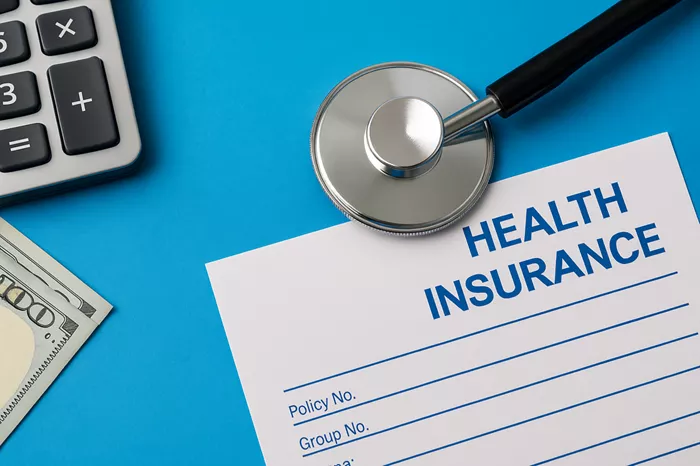
Health insurance premiums are set to increase significantly in 2026, affecting individuals who receive coverage through employers or health care exchanges. According to a comprehensive survey by Mercer, a benefits consulting firm, employers are anticipating the steepest rise in health care costs in more than ten years, with average increases nearing 9%. Some employers expect even higher, double-digit hikes despite efforts to control expenses.
This surge in costs is driven by multiple factors: increasing labor expenses for health care workers, elevated fees from doctors and hospitals, heightened demand for care, and the introduction of expensive new medications, such as those for weight loss.
Impact on Workers and Cost Sharing
Employees should prepare for higher premiums and increased out-of-pocket expenses next year. However, the degree of the burden depends on each employer’s size and financial flexibility. Larger companies may absorb more of the added costs to shield their employees, while smaller businesses might pass a greater share of expenses onto workers.
Cynthia Cox, a health insurance expert at the Kaiser Family Foundation (KFF), cautions that it remains uncertain how much employers will transfer to employees versus covering themselves.
Importance of Comparing Plans During Open Enrollment
With the open enrollment period approaching—typically lasting several weeks in the fall—it is crucial for workers to evaluate the plans their employers offer to ensure they select the best option for themselves and their families. Louise Norris, a health policy analyst at Healthinsurance.org, emphasizes that “inertia is a powerful force,” but actively reviewing coverage each year can make a meaningful difference.
When reviewing plans, confirm that your preferred doctors and pharmacies remain in-network and that your necessary medications are included on the plan’s formulary. Changes are common from year to year, so it is important not to assume your current plan configuration will remain the same.
Balancing Premiums and Out-of-Pocket Costs
To manage rising premiums, some employers offer plans with lower monthly premiums but higher deductibles and co-payments, shifting more immediate costs to the insured. These high-deductible health plans (HDHPs) often come with employer contributions to a health savings account (HSA), which employees can use for out-of-pocket medical expenses.
For 2026, the IRS allows individuals with qualifying HDHPs to contribute up to $4,400 pretax for self-only coverage and $8,750 for family coverage, including employer contributions. Workers aged 55 or older may contribute an additional $1,000.
Assessing the Risks of High Deductibles
Before opting for a high-deductible plan, employees should carefully consider their family’s health needs. The minimum deductible for family coverage in an HSA-eligible plan will be $3,400 in 2026. Until this deductible is met, all health care costs beyond preventive services must be paid out of pocket or from the HSA.
Health experts warn that such plans can be risky for those without sufficient savings. Cox from KFF advises ensuring you have enough funds saved to cover high deductibles. Norris recommends calculating the total potential costs in a worst-case scenario, including reaching the out-of-pocket maximum, to avoid unexpected financial strain. Because most plans cover only 80% of costs after the deductible until the maximum is met, a serious illness or hospitalization can lead to substantial expenses.
Related topics
Protect Your Mouth: When to Change Your Toothbrush Bacteria Risk
