
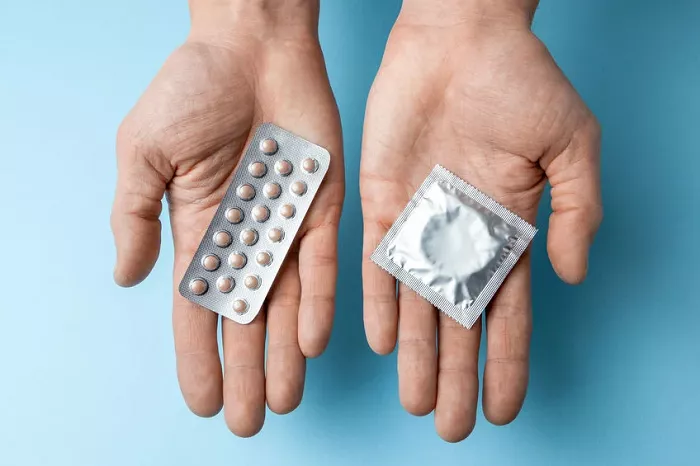
Throughout human history, dating back to 1850 BC, people have used various methods for contraception, with primary responsibility often falling on women. Today, female-oriented methods dominate contraceptive use, including sterilization procedures, hormonal pills, and long-acting reversible contraceptives like IUDs.
While men participate through condom use or vasectomy, the development of a male equivalent to the birth control pill remains an ongoing scientific pursuit. This pursuit reflects evolving attitudes toward shared reproductive responsibility and acknowledges that many men would welcome additional contraceptive options, according to research indicating up to 83 percent acceptance rates for a male hormonal pill.
Identifying the Scientific Challenges in Developing Male Contraceptives
Creating an effective male contraceptive presents unique biological challenges distinct from female contraception. Researchers aim to develop a method that interrupts sperm production, blocks sperm release, or impairs sperm function without causing significant side effects. The complex process of spermatogenesis presents a higher barrier than disrupting ovulation, making hormonal approaches more complicated.
Most experimental methods have involved injections rather than pills, posing practical limitations. Some pill formulations have raised concerns about liver toxicity, while others require multiple daily doses, reducing practicality for widespread use. Additional side effects like acne, weight gain, and mood changes present further development hurdles.
Evaluating Hormonal Approaches in Male Contraception Research
Most current research focuses on hormonal methods, using testosterone alone or combined with other hormones like progestins. These approaches work by suppressing the hormones that stimulate sperm production while maintaining other androgen functions. A 2012 study demonstrated that a hormonal gel applied daily to the upper arms significantly reduced sperm count with minimal side effects.
In 2016, a large-scale study of injectable hormone combinations showed promising results despite some side effects, with 75 percent of participants expressing willingness to use the method again. Current research continues to refine these approaches, seeking optimal delivery systems and dosage regimens that balance effectiveness with tolerability.
Examining Non-Hormonal Alternatives and Innovative Methods
Non-hormonal approaches offer potential alternatives that might avoid systemic side effects associated with hormonal methods. One innovative approach, RISUG, involves injecting a polymer gel into the vas deferens to create a reversible barrier that prevents sperm passage.
This method, developed over decades in India, offers long-lasting protection with a simple reversal procedure. Other research focuses on compounds that target specific sperm functions, such as mobility or egg fertilization capability, without affecting hormone levels. These approaches aim to provide effective contraception while preserving normal sexual function and minimizing systemic biological impacts.
Reviewing Recent Developments in Oral Contraceptive Options
Recent years have seen progress in developing oral contraceptives for men. A 2019 study of 82 men confirmed the safety of a hormonal pill called DMAU when used daily for one month without serious side effects. Another promising compound, 11β-MNTDC, entered trials in March 2019.
Both compounds work by suppressing sperm production while maintaining testosterone levels in normal ranges. These developments represent significant steps toward a practical male pill, though larger and longer studies are needed to establish full safety and efficacy profiles.
Conclusion
The ongoing research reflects broader societal shifts toward shared reproductive responsibility. Successful development of effective male contraception would transform family planning dynamics, offering couples more options for managing fertility. However, significant challenges remain in creating a product that meets regulatory standards for safety and effectiveness while being acceptable to users.
The timeline for market availability remains uncertain, but continued investment in research demonstrates commitment to expanding contraceptive choices for men, ultimately contributing to more equitable reproductive health partnerships.
