
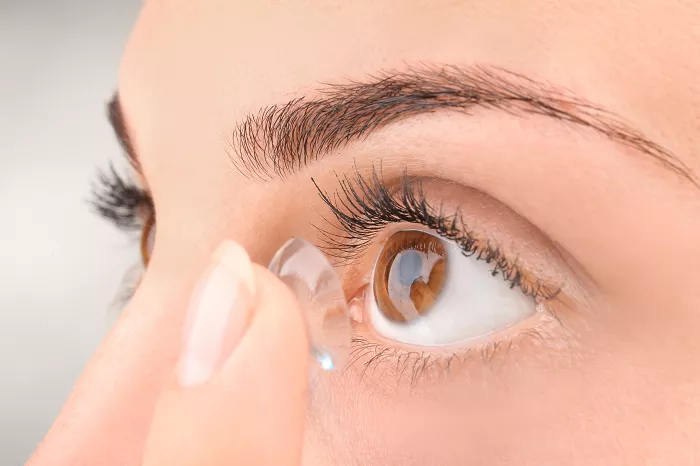
Contact lenses represent a significant advancement in vision correction, offering a discreet and convenient alternative to traditional eyeglasses. These thin plastic discs are designed to sit directly on the cornea, the clear front surface of the eye, to correct common vision issues such as nearsightedness (myopia), farsightedness (hyperopia), and astigmatism.
By precisely focusing light onto the retina, they provide clear and sharp vision. Unlike glasses, contacts move with your eye, providing a wider, unobstructed field of view, which is particularly beneficial for activities like sports. Contact lenses can also address more complex vision needs, including presbyopia (the age-related loss of near focus) through bifocal or multifocal designs. Their versatility extends to cosmetic purposes, allowing wearers to change or enhance their natural eye color with a variety of tinted options.
Exploring the Primary Types of Contact Lenses Available
The two main categories of contact lenses are soft and rigid gas permeable (RGP). Soft lenses, made from a flexible, water-containing plastic, are the most popular choice due to their immediate comfort and ease of use. They are available in various replacement schedules, including daily disposable, two-week, and monthly varieties.
Soft lenses also include specialized options like silicone hydrogel lenses, which allow more oxygen to reach the cornea, promoting greater eye health. RGP lenses are firmer and more durable, often providing crisper vision, especially for those with astigmatism or irregular corneas.
While they may require a longer adaptation period, RGPs are highly breathable and resistant to protein deposits. Another type is the scleral lens, a larger RGP lens that vaults over the cornea and rests on the sclera (the white part of the eye), ideal for irregular corneal conditions.
Mastering the Essential Steps for Inserting Your Lenses
Inserting contact lenses can be intimidating for beginners but becomes effortless with practice. Begin by thoroughly washing and drying your hands to prevent transferring bacteria to your eye. Remove a lens from its case and place it on the tip of your dominant hand’s index finger.
Rinse it with the recommended sterile solution to remove any debris. Using the middle finger of your dominant hand, gently pull down your lower eyelid. Use the middle finger of your other hand to hold your upper eyelid open to prevent blinking. While looking straight ahead or slightly upward, gently place the lens onto the surface of your eye.
Slowly release your eyelids, blink a few times, and ensure the lens feels comfortable and vision is clear. Repeat the process for the other eye, always starting with the same eye to avoid mixing up your lenses.
Safely Removing and Cleaning Your Contact Lenses
Proper removal and cleaning are critical to maintaining eye health and extending the life of your reusable lenses. Again, start with clean, dry hands. To remove a soft lens, look upward and gently pull down your lower eyelid. Using the index finger and thumb of your dominant hand, gently pinch the lens and lift it off the eye.
For RGPs, you may need to open your eyes wide and use a slight sliding motion toward the outer corner of the eye before pinching. After removal, lenses must be cleaned and disinfected unless they are daily disposables.
Rub the lens gently with multipurpose solution in the palm of your hand (even if using a “no-rub” solution), as this mechanical action helps remove deposits. Then, place the lens in a clean case filled with fresh solution, never reusing old solution.
Related topics:
