
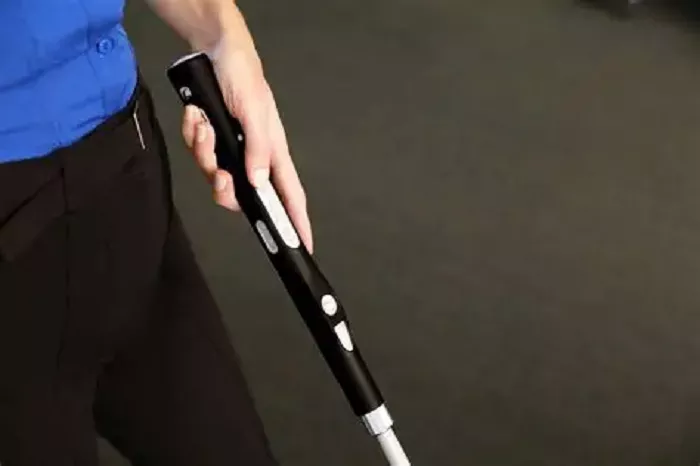
A cane represents one of the oldest and most fundamental forms of mobility assistance technology, designed primarily to enhance balance and stability for individuals with various physical challenges. By providing a wider base of support, a cane helps redistribute weight away from an injured or weaker lower limb, such as a leg, hip, or foot.
This redistribution allows users to navigate daily activities like walking, standing, climbing stairs, and performing household tasks with significantly greater safety and confidence. Beyond the immediate physical support, canes play a crucial psychological role by fostering independence and enabling individuals to maintain an active lifestyle during recovery from surgery or injury, or while managing chronic conditions that affect mobility.
Identifying Common Medical Conditions That Necessitate Cane Use
A wide range of temporary and permanent medical conditions can lead to a recommendation for cane use. Short-term needs often arise from orthopedic issues, such as healing fractures in the leg or foot, recovering from knee or ankle sprains, or during rehabilitation after surgical procedures like knee replacements.
For long-term use, individuals managing chronic neurological conditions such as Parkinson’s disease, multiple sclerosis, or the effects of a stroke may rely on a cane for daily stability. Furthermore, age-related declines in balance, strength, and coordination frequently make a cane an essential tool for preventing falls among older adults. A healthcare professional can assess an individual’s specific situation and prescribe a cane as part of a comprehensive treatment plan.
Understanding the Three Primary Types of Canes and Their Uses
Selecting the correct type of cane is critical for both safety and effectiveness. The single-point cane is the most common and basic design, featuring a single tip on the ground and a curved handle; it is well-suited for minor balance issues or temporary injuries.
The center-balance cane also has one ground contact point but features a larger, molded handle that allows the user to lean more weight onto it, offering greater support for standing and sitting, and is often better for long-term neurological conditions. The quad cane provides the highest level of stability with four small feet attached to the base, making it an excellent alternative for those who find a walker too cumbersome but need more support than a single-point cane can offer.
Essential Steps for Properly Fitting and Selecting a Cane
An improperly fitted cane can cause poor posture, back pain, and increase the risk of falling. Therefore, achieving the correct height is paramount. When standing upright with arms relaxed at your sides, the top of the cane handle should align with the crease of your wrist, and your elbow should be slightly bent, typically at a 15- to 30-degree angle.
Other important selection factors include the handle’s comfort and grip to prevent hand fatigue, the cane’s overall weight for easy portability, and the material composition, such as aluminum for lightweight strength or wood for a traditional feel. Trying different models with guidance from a physical therapist is the best way to ensure a proper fit.
Mastering Safe Ambulation Techniques with a Cane
Proper technique is as important as the cane itself. For optimal stability, the cane should be held in the hand on the side opposite the weaker or injured leg. This technique creates a wider base of support and helps maintain a natural walking rhythm. The basic gait pattern involves moving the cane forward first, followed by the injured leg, and then stepping through with the strong leg.
When navigating stairs, a specific protocol enhances safety: to go up, lead with the stronger leg, then bring the injured leg and cane up to the same step; to go down, place the cane and the injured leg onto the lower step first, followed by the stronger leg. Always use handrails when available.
Navigating Insurance Coverage and Financial Considerations
In many countries, including the United States, health insurance plans often cover the cost of a cane when it is medically prescribed by a doctor. For example, Medicare Part B typically covers canes as durable medical equipment (DME), with the patient responsible for a coinsurance payment after the annual deductible is met. It is crucial to obtain a formal prescription and ensure the supplier is enrolled in the insurance network to maximize coverage benefits.
If purchasing without insurance, costs can vary significantly, with basic single-point canes being the most affordable, while specialized quad or folding canes may cost more. Consulting a healthcare provider for recommended brands and models is advisable even for over-the-counter purchases to ensure quality and suitability.
Related topics:
