
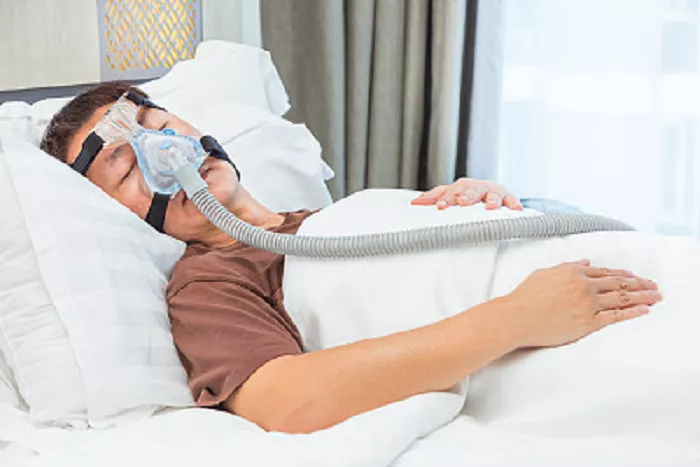
A CPAP machine is the most effective treatment for obstructive sleep apnea, a condition where your airway repeatedly collapses during sleep, causing breathing to stop. The machine works by delivering a continuous stream of pressurized air through a tube and mask to keep your airway open.
The key parts include the main unit, which houses the motor and controls the air pressure; the flexible air tube; and the mask that seals over your nose, mouth, or both. Becoming familiar with these components is the first step toward comfort. Understanding that the machine is a precision tool designed for your health can help shift your perspective from seeing it as an intrusion to viewing it as a personal sleep aid.
Selecting the Right Mask Style for Your Comfort and Needs
The mask is the most personal part of the CPAP system, and finding the right fit is crucial for successful therapy. There are three primary types of masks: nasal masks, which cover only the nose; nasal pillow masks, which have small cushions that sit at the nostrils; and full-face masks, which cover both the nose and mouth.
The best choice depends on your breathing patterns, whether you breathe through your nose or mouth, and your sleeping position, such as sleeping on your back or side. It is essential to work closely with your equipment provider to try different styles and sizes. A proper fit should feel secure without being overly tight, ensuring a good seal for effective therapy while maximizing comfort.
Overcoming Initial Challenges and Common Side Effects
It is normal to face some hurdles when you first start using CPAP therapy. Many users need time to adjust to the sensation of wearing a mask and the feeling of pressurized air. Common issues include skin irritation from the mask straps, dryness in the nose or throat, or a feeling of claustrophobia.
Modern machines are equipped with features to mitigate these problems, such as integrated heated humidifiers to prevent dryness and “ramp” settings that start with a lower pressure and gradually increase to your prescribed level as you fall asleep. Patience is key, as these initial sensations often diminish within a few weeks of consistent use.
Embracing the Quiet Efficiency of Modern CPAP Technology
Many new users worry about noise, but contemporary CPAP machines are engineered to be exceptionally quiet. The loud and bulky machines of the past have been replaced by compact, sleek devices that operate with a whisper-quiet hum. This is a significant benefit not only for the user but also for their bed partner.
The consistent, gentle sound of the machine can even become a soothing white noise that promotes deeper sleep. Furthermore, modern devices are smarter, featuring data tracking that allows you and your doctor to monitor your therapy adherence and effectiveness through apps or built-in screens.
Recognizing the Profound Health Benefits of Consistent Use
The initial effort of adapting to CPAP therapy is rewarded with profound health benefits. Consistent use does more than just reduce snoring; it restores normal sleep patterns, which is crucial for overall health. By preventing the nightly drops in oxygen levels
CPAP therapy significantly lowers the risk of serious health complications associated with untreated sleep apnea, including high blood pressure, heart disease, and stroke. Beyond the long-term benefits, many users report feeling a dramatic positive difference almost immediately, experiencing increased energy, improved mood, and sharper mental clarity after their first full night of effective sleep.
Developing a Positive Mindset and a Sustainable Routine
The psychological adjustment is just as important as the physical one. Approaching CPAP therapy with a positive and open mindset can greatly influence your success. Focus on the goal—achieving restful, restorative sleep—rather than on the device itself.
Establish a relaxing pre-bed routine that includes putting on your mask while you are still awake, such as while reading or watching television. This helps your brain associate the mask with winding down. Persistence is vital; even if you can only wear it for a few hours initially, every hour of treated sleep is beneficial. Over time, wearing your CPAP will become as natural and automatic as putting on a pair of glasses.
Related topics:
