
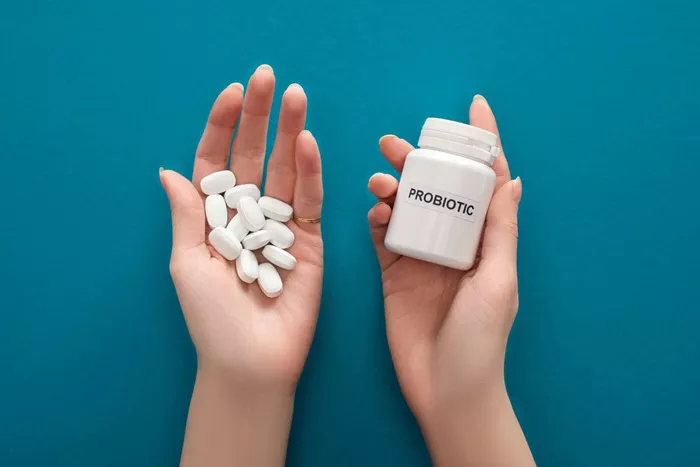
A newly launched phase 2 clinical trial is investigating the potential benefits of probiotics in alleviating depression and mood disorders among patients with Parkinson disease (PD), delving into the critical role of the gut-brain axis in mental health. This double-blind, placebo-controlled study, called ProD, aims to evaluate whether a multi-strain probiotic formulation can improve depressive symptoms in individuals living with PD, a neurodegenerative disorder often accompanied by non-motor symptoms such as depression and anxiety.
The trial, currently recruiting, includes 60 participants aged 40 to 80 who experience mild to moderate Parkinson disease alongside mild to moderate depression. Over 12 weeks, participants will receive either a placebo or a probiotic supplement containing nine strains of beneficial bacteria—primarily anaerobic, lactic acid-fermenting species known to contribute to short-chain fatty acid (SCFA) production. SCFAs are critical metabolites thought to support gut and brain health.
Researchers will track changes in depressive symptoms as the primary outcome. Secondary outcomes include motor and non-motor features of PD, cognitive function, anxiety, apathy, stool frequency, and other quality of life indicators. Biological markers, such as inflammatory cytokines in blood serum, neurotransmitter levels, and hormones (including cortisol and sex hormones), will be measured to better understand the underlying mechanisms. Analysis of gut microbiota composition will be conducted through advanced metagenomic sequencing techniques to assess microbial diversity and metabolic function.
The rationale for using probiotics centers on targeting the gut-brain axis—a complex communication network linking the gastrointestinal tract, immune system, and central nervous system. Many PD patients suffer from gut dysbiosis characterized by reduced bacterial diversity, loss of SCFA-producing bacteria, and increased proinflammatory microbes. Restoring a balanced gut microbiome through probiotics could improve both motor and non-motor symptoms, including mood disturbances.
Supporting this approach, a 2023 meta-analysis reviewed nine randomized controlled trials involving 663 PD patients. This analysis found that probiotic use led to significant improvements in motor symptoms, gastrointestinal function, anxiety, and depression scores. Specifically, better constipation-related quality of life and reduced anxiety and depressive symptoms were reported, along with lower reliance on laxatives and increases in antioxidant glutathione levels. These findings indicate probiotics may provide a multidimensional benefit for managing PD symptoms.
Further evidence comes from a 2023 study using supplementation with Lacticaseibacillus paracasei strain Shirota (LcS) in 128 PD patients. Over 12 weeks, LcS intake improved constipation-related and other non-motor symptoms despite only modest shifts in overall gut microbiome composition. Notably, probiotic supplementation increased beneficial bacteria abundance and altered fecal and plasma amino acid profiles, suggesting physiological improvements linked to mood and gastrointestinal health.
This growing body of research highlights the promise of probiotic therapies as a novel adjunctive treatment for depression and mood disorders in Parkinson’s disease. By modulating gut microbiota and reducing inflammation, probiotics may help address the complex interplay between the gut and brain in PD patients. If successful, the ProD trial could pave the way for larger, more definitive studies in this area and offer new hope for improving quality of life among those affected by this challenging condition.
YOU MAY ALSO LIKE
Can Probiotics Improve Vaginal Health? Women Say Yes
The Best Probiotics of 2025: Expert Reviews and Recommendations
Probiotics in Neonatal Care: The Next Frontier in Infant Health
