
Creatine, a widely used supplement for enhancing muscle energy and performance, has long been rumored to cause hair loss, sparking concern among fitness enthusiasts. However, current scientific evidence does not support this claim directly. The confusion primarily stems from the connection between creatine and dihydrotestosterone (DHT), a hormone linked to hereditary hair thinning in genetically susceptible individuals.
Dr. Shireen Furtado, a dermatologist specializing in medical and cosmetic dermatology, clarifies that creatine itself does not cause hair loss. The concern originated from a single 2009 study involving male rugby players who showed a slight increase in DHT levels after creatine supplementation.
Importantly, testosterone levels remained unchanged, and the DHT increase stayed within normal biological ranges. Since then, no large-scale or conclusive studies have confirmed that creatine raises DHT enough to impact hair follicle health or accelerate hair loss.
DHT, a derivative of testosterone, is known to shrink hair follicles in individuals with a genetic predisposition to androgenetic alopecia, the most common form of hair loss. Creatine does not create DHT but may influence its conversion minimally.
However, this minor hormonal fluctuation has not been demonstrated to cause measurable thinning or shedding of hair. Hair loss is a multifactorial condition influenced far more by genetics, stress levels, nutritional status, and underlying hormonal imbalances than by creatine supplementation.
Contrary to some assumptions, creatine does not promote hair growth either. Its primary role is to improve energy production during high-intensity exercise by supporting muscle protein synthesis, a biological process that differs from those governing hair follicle health.
Instead, maintaining healthy hair hinges on well-rounded nutrition, hydration, stress management, and proper scalp care. Nutrients such as protein, iron, zinc, and vitamins A, C, and D are essential for supporting hair strength and growth.
For individuals who notice increased hair shedding, it is more advisable to investigate common causes such as genetic factors, stress-induced telogen effluvium (a temporary hair shedding condition), nutritional deficiencies, or hormonal conditions like thyroid disorders or polycystic ovary syndrome (PCOS).
If concern persists, consulting a dermatologist is recommended before discontinuing supplements like creatine unnecessarily. Taking a break while undergoing professional evaluation can help identify any underlying causes without premature elimination of beneficial supplements.
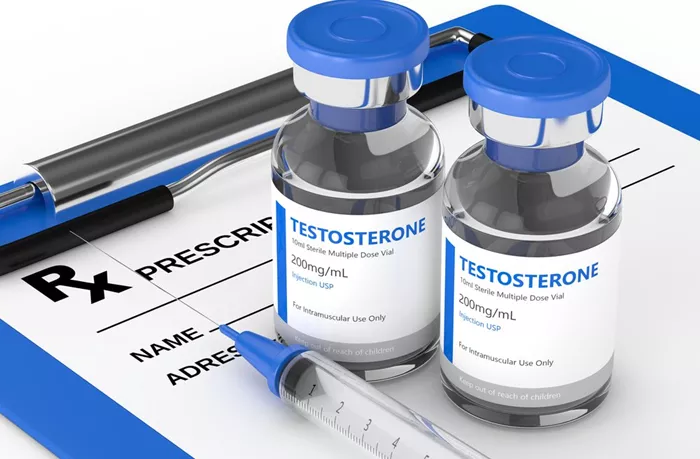
Additionally, testosterone supplements, often used to manage low hormone levels, can influence DHT production and have a more direct impact on hair loss in susceptible individuals. Unlike creatine, testosterone-related treatments should be monitored carefully, as they can accelerate androgenetic alopecia due to increased DHT levels.
In summary, creatine supplementation is generally safe and does not directly cause hair loss. The myth linking creatine to hair thinning largely arises from misinterpretations of limited studies on hormone levels. Hair loss risk is significantly influenced by genetic makeup, lifestyle factors, and overall health rather than creatine or similar supplements. Those concerned about hair loss should focus on holistic health approaches and consult medical professionals for personalized advice.
YOU MAY ALSO LIKE
Everything You Should Know About Creatine and Muscle Growth
Menopause Supplements Creatine Shows Promise for Sleep and Brain Health
Creatine Gummies vs Starbucks Protein: Which Boosts Energy Better?
