
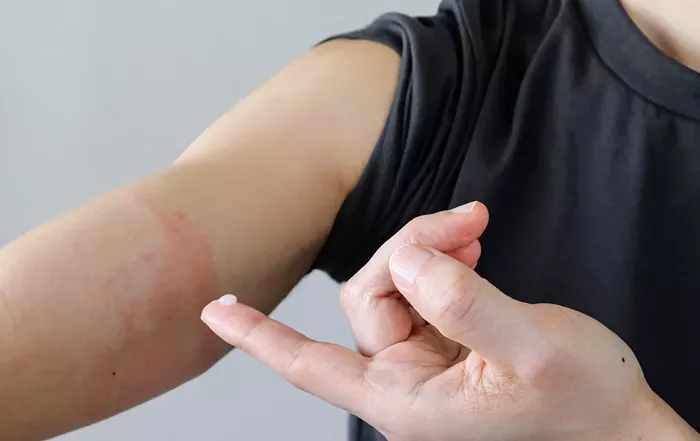
Eczema, medically termed atopic dermatitis, is a chronic inflammatory skin condition characterized by dry, red, and intensely itchy patches. Affecting up to 20% of children and 10% of adults, eczema disrupts daily life and causes significant discomfort, including painful flare-ups and sleepless nights. However, recent medical advances reveal eczema is far more treatable than commonly believed, with new therapies offering improved control and relief.
What Is Eczema and Its Causes?
Eczema arises due to a defective skin barrier that makes skin more sensitive to irritants and environmental triggers. This damage occurs partly because of genetic factors like variations in the filaggrin gene, crucial for maintaining the skin’s protective layer.
An overactive immune response also fuels chronic inflammation, contributing to the characteristic itching and redness. Common triggers include soaps, detergents, dry air, stress, pet dander, and sometimes food sensitivities, especially in children. This combination of genetic, immune, and environmental causes makes eczema a complex condition requiring multifaceted management.
Eczema Symptoms and Diagnosis
Typical symptoms include dry, scaly red patches of skin, commonly seen in children on the face, elbows, and behind the knees, and in adults on hands and feet or areas prone to friction. Severe cases may involve skin cracking, oozing, scabbing, or thickened leathery texture from repeated scratching. Diagnosis usually involves a dermatologist assessing medical history, triggers, and family allergies, sometimes supported by patch testing or skin biopsy to rule out other conditions.
Traditional and Emerging Treatments
While eczema is not usually fully curable, effective treatment and management can drastically reduce symptoms and improve quality of life. Foundational care involves daily moisturization with thick, fragrance-free creams or ointments and gentle cleansing with mild, non-soap formulas. Avoiding harsh soaps and hot showers is crucial as they can worsen the skin barrier defect.
Mild flare-ups often respond well to over-the-counter hydrocortisone creams, but persistent or severe eczema generally requires prescription treatments. Topical corticosteroids, while effective, have side effects such as skin thinning if overused. Hence, newer non-steroidal anti-inflammatory topical options like crisaborole and ruxolitinib offer safer long-term alternatives suitable even for sensitive skin and young children.
In recent years, biological drugs targeting underlying immune dysregulation have transformed eczema care, especially for moderate-to-severe cases. For example, dupilumab and lebrikizumab are monoclonal antibodies that inhibit key inflammatory proteins such as interleukin-13, significantly reducing itching and skin inflammation. Advances extend to Janus kinase (JAK) inhibitors, both topical and oral, approved recently for broader patient use with impressive efficacy in controlling flare-ups that resist traditional treatment.
Holistic Management and Patient Guidance
Besides medications, practical measures such as using humidifiers to counteract dry indoor air, wearing smooth-textured, breathable clothing, and managing stress contribute to preventing flares. Patients are strongly advised not to scratch the affected areas and may use gloves at night to minimize skin damage. Some dermatologists also recommend bleaching baths under careful supervision to reduce skin infections associated with eczema.
Importantly, recent research emphasizes sustained treatment adherence. Studies show patients who do not initially respond to biologics like lebrikizumab may see significant improvements when continuing therapy for up to a year. This highlights the need for personalized care plans and patience during treatment escalation.
Conclusion
Eczema is a challenging condition, but ongoing scientific advancements and comprehensive care strategies have made it more manageable than ever. From novel medications targeting inflammation pathways to everyday skin care practices, many patients achieve excellent symptom control and improved quality of life with the right approach. Consulting a dermatologist to tailor treatment and prevent flare-ups remains key.
YOU MAY ALSO LIKE
10 Best Men’s Skincare Products to Kickstart Your Routine in 2025
How Hormonal Imbalances in PCOS Affect Skin, Hair, and Total Health
Invisalign Advances Boost Comfort and Speed in Adult Teeth Alignment
