
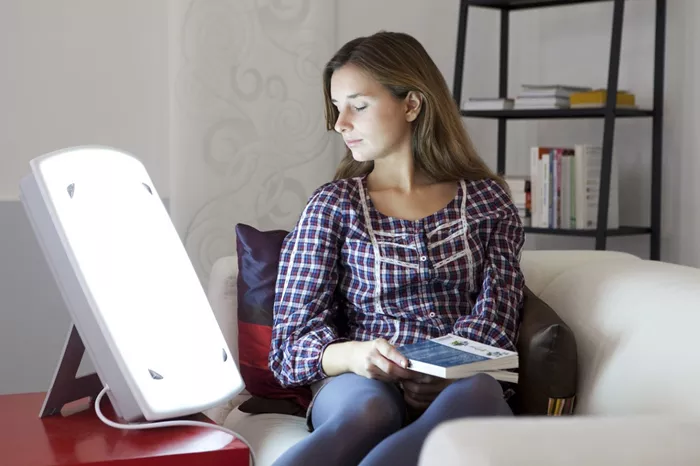
As the days shorten and temperatures drop, many individuals experience a dip in mood and energy levels—a phenomenon often referred to as the “winter blues.” For some, this seasonal shift leads to a more severe condition known as Seasonal Affective Disorder (SAD), a type of depression that typically occurs during the fall and winter months. Approximately 1 in 20 adults are affected by SAD, while millions more experience milder symptoms.
Understanding Seasonal Affective Disorder
SAD is characterized by symptoms such as low energy, irritability, social withdrawal, and changes in sleep and appetite patterns. The condition is believed to be linked to reduced sunlight exposure during the colder months, which can disrupt the body’s internal clock and affect the production of mood-regulating neurotransmitters like serotonin.
Bright Light Therapy: A Non-Pharmacological Solution
One of the most effective treatments for SAD is bright light therapy (BLT). This involves sitting near a light box that emits 10,000 lux of light—about 20 times brighter than standard indoor lighting—for 20 to 30 minutes each morning.
The therapy aims to mimic natural sunlight, helping to regulate the circadian rhythm and boost serotonin levels.
Research indicates that BLT can be as effective as standard antidepressant medications in alleviating symptoms of SAD.
Additionally, combining light therapy with antidepressants may enhance treatment outcomes.
Expanding Applications: Beyond Seasonal Depression
While BLT is primarily used to treat SAD, emerging studies suggest its potential benefits for other forms of depression. A recent meta-analysis found that BLT was associated with a 41% remission rate in individuals with nonseasonal depression, significantly higher than the 23% remission rate observed with other treatments
The therapy has also shown promise in treating perinatal depression, depression in older adults, and even in improving cognitive function in individuals with sub-threshold depression.
Practical Considerations for Effective Use
To maximize the benefits of light therapy, it’s essential to use the light box correctly:
Timing: Use the light box in the morning, preferably within the first hour after waking, to help reset the body’s internal clock.
Distance: Position the light box about 16 to 24 inches from your eyes, ensuring that the light enters your field of vision without staring directly into it.
Duration: Start with 20 to 30 minutes per session and adjust based on your response.
Consistency: Use the light box daily during the fall and winter months, or as advised by your healthcare provider.
It’s important to note that not all light boxes are created equal. Ensure that the device emits 10,000 lux of light and filters out harmful UV rays. Consult with a healthcare professional before starting light therapy, especially if you have eye conditions or are taking medications that increase light sensitivity.
Complementary Strategies for Managing Seasonal Depression
In addition to light therapy, several lifestyle changes can help mitigate the symptoms of SAD:
Physical Activity: Engaging in regular exercise can boost mood and energy levels.
Social Interaction: Maintaining social connections can reduce feelings of isolation.
Healthy Diet: Consuming a balanced diet rich in nutrients supports overall well-being.
Sleep Hygiene: Maintaining a consistent sleep schedule helps regulate the body’s internal clock.
Professional Support: Cognitive Behavioral Therapy (CBT) and other forms of psychotherapy can be effective in treating SAD.
Conclusion
Bright light therapy offers a promising, non-invasive treatment option for individuals affected by Seasonal Affective Disorder and other forms of depression. By understanding the condition and implementing appropriate therapeutic strategies, individuals can better manage their symptoms and improve their quality of life during the challenging fall and winter months.
YOU MAY ALSO LIKE
TGA Approves At-Home Brain Stimulation Device for Depression Treatment
Depression Treatment: How EASE tDCS Offers New Hope
Global Depression Treatment Market Set to Reach USD 34.31 Billion by 2033
