
Protein powder has become a staple in the health and wellness industry, touted for its benefits in muscle building, weight management, and overall health. However, recent developments and expert analyses have shed light on both the advantages and potential risks associated with its consumption.
The Rise of Protein-Enriched Beverages
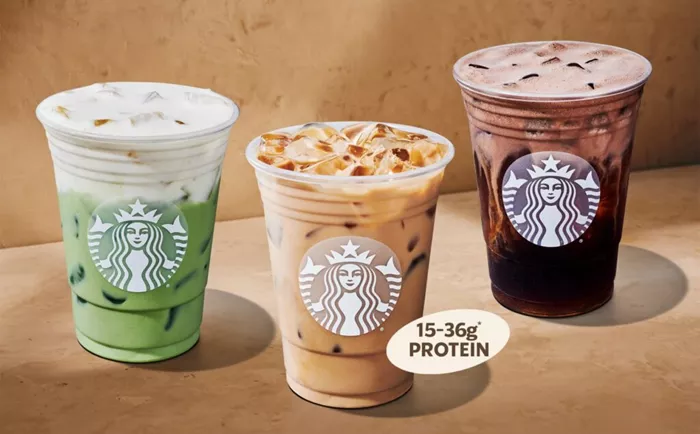
In a move to cater to the growing demand for high-protein options, Starbucks has introduced a new line of protein-enriched drinks. These beverages, including protein cold foams and lattes, are infused with whey protein and a specially formulated “protein-boosted milk.”
For instance, the Protein Matcha offers up to 36 grams of protein per 16-ounce serving, while the cold foam alone contributes approximately 15 grams of protein per iced drink. These offerings allow customers to customize any regular milk or cold foam drink with added protein for an additional $1.
Health Benefits of Protein Powder
Protein powder serves as a convenient supplement to help meet daily protein requirements, especially for those with increased needs due to physical activity or dietary restrictions. It plays a crucial role in muscle repair and growth, aiding in recovery after exercise. Additionally, protein powder can promote satiety, potentially assisting in weight management by reducing overall calorie intake.
Potential Risks and Side Effects
Despite its benefits, protein powder is not without potential risks. Excessive consumption can lead to digestive issues such as bloating, gas, and diarrhea, particularly in individuals with lactose intolerance or sensitivities to certain ingredients. Some protein powders may also contain added sugars, artificial sweeteners, or other additives that can contribute to weight gain or other health concerns.
Moreover, a study by the Clean Label Project revealed that many protein powders contain harmful heavy metals like lead and cadmium, with plant-based and chocolate-flavored varieties being the most contaminated. These contaminants are believed to result from agricultural practices and environmental exposure.
Expert Recommendations
Health experts advise that while protein powder can be a useful supplement, it should not replace whole foods. It’s essential to choose high-quality products that are third-party tested for purity and safety. Individuals should consult with healthcare professionals before incorporating protein supplements into their diet, especially if they have underlying health conditions or concerns.
Conclusion
In summary, protein powder can offer significant health benefits when used appropriately. However, it’s crucial to be aware of potential risks and to choose products wisely. As the popularity of protein-enriched beverages grows, consumers should remain informed and make choices that align with their health goals and needs.
YOU MAY ALSO LIKE
7 Best Whey Protein Powders to Build Muscle Without Extra Calories
Top 6 Vegan Protein Powders for Weight Loss in Men
6 Best Protein Powder For Male Weight Gain Without Side Effects
