
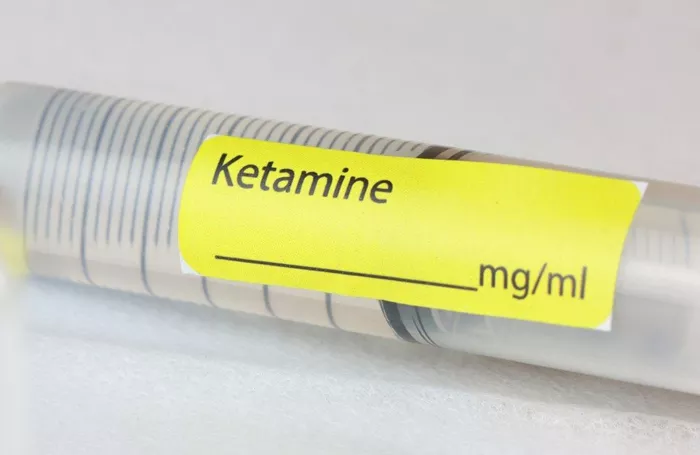
Ketamine, traditionally used as an anesthetic, has emerged as a potential treatment for depression, particularly in cases resistant to conventional therapies. The Royal College of Psychiatrists (RCPsych) has acknowledged ketamine-based medications as among the most studied for providing rapid relief from depressive symptoms.
Clinical trials involving thousands of patients have demonstrated its efficacy, with some studies indicating significant improvements in depression, anxiety, and overall illness severity within two weeks to a month of treatment.
Esketamine, a nasal spray derived from ketamine, has been licensed in the UK for treatment-resistant depression. Notably, the U.S. Food and Drug Administration (FDA) recently expanded its approval to allow esketamine to be used alone, without the necessity of an accompanying oral antidepressant, thereby increasing accessibility for patients adversely affected by or nonresponsive to traditional oral medications.
Despite these advancements, the RCPsych urges caution, emphasizing that while ketamine shows promise, the “hype” surrounding other psychedelic substances requires more rigorous scientific investigation. The college warns against prioritizing enthusiasm over evidence-based clinical practice, stressing the importance of proper training and supervision when considering psychedelic treatments.
The Expanding Landscape of Psychedelic Research
Beyond ketamine, other psychedelic substances are being explored for their potential in treating depression. Psilocybin, the active compound in “magic mushrooms,” has shown promise in clinical trials for major depressive disorder. A study published in the New England Journal of Medicine found that a single dose of psilocybin, combined with psychological support, led to significant reductions in depressive symptoms.
However, the FDA has not yet approved psilocybin for widespread clinical use, citing the need for more comprehensive data on its safety and efficacy.
Similarly, dimethyltryptamine (DMT), a naturally occurring psychedelic, has demonstrated rapid and sustained antidepressant effects in early-phase clinical trials. In a Phase 2a open-label trial, vaporized DMT produced significant antidepressant effects within a single day, with some participants maintaining remission for up to three months .
These findings suggest that DMT could be a viable option for treatment-resistant depression, though further research is needed to confirm its long-term safety and effectiveness.
Challenges and Considerations
Despite the promising results, several challenges remain in integrating psychedelic substances into mainstream psychiatric practice. Issues such as regulatory hurdles, variability in individual responses, and the necessity for specialized therapeutic settings complicate the widespread adoption of these treatments. Furthermore, the potential for abuse and the need for controlled administration underscore the importance of careful patient selection and monitoring.
The RCPsych emphasizes the need for a balanced approach, advocating for continued research into the therapeutic potential of psychedelics while ensuring that clinical practices remain grounded in robust scientific evidence. The college also highlights the importance of training healthcare professionals to effectively administer and monitor these treatments, ensuring patient safety and maximizing therapeutic outcomes.
Conclusion
Ketamine has established itself as a valuable tool in the treatment of depression, particularly for patients who have not responded to traditional therapies. While other psychedelic substances like psilocybin and DMT show promise, they require further investigation to fully understand their efficacy and safety profiles. As research progresses, it is crucial to maintain a cautious and evidence-based approach, ensuring that any new treatments are both effective and safe for patients.
YOU MAY ALSO LIKE
New Research Links Weaning to Higher Risk of Postpartum Depression
Depression Treatment: How EASE tDCS Offers New Hope
Global Depression Treatment Market Set to Reach USD 34.31 Billion by 2033
