
Testosterone is a crucial hormone that supports sexual development, muscle growth, bone health, mood, and general vitality. While levels naturally decline with age, many concerns about low testosterone are overstated. Boosting testosterone is only medically necessary if a person is diagnosed with hypogonadism, a condition where the testicles produce very little or no testosterone. For most men, maintaining a healthy lifestyle is enough to preserve good testosterone levels.
Recognising Low Testosterone
- Symptoms of significantly low testosterone may include:
- Erectile dysfunction or reduced libido
- Reduced muscle mass and bone density
- Loss of facial or body hair
- Gynecomastia (breast tissue development)
- Infertility
If these symptoms appear suddenly or earlier than typical aging, see a GP. A blood test can confirm whether levels are abnormally low.
Treatment Options
If low testosterone is confirmed, treatment depends on the cause:
Testosterone Replacement Therapy (TRT) — via tablets, patches, gels, injections or implants
Monitoring and working with a specialist to make sure treatment is safe and effective
Only for men with clinical deficiency, not just mild age-related decline
Do Natural “Testosterone Booster” Supplements Work?
There are countless over-the-counter supplements and “natural” remedies claimed to be testosterone boosters. Evidence is mixed and generally weak:
Herbs like ashwagandha, fenugreek, and shilajit show some promise in small trials, but effects are modest and studies often have methodological weaknesses. Heavy metal contamination is a concern in unregulated herbal products.
Supplements such as vitamin D or zinc may help if someone has a deficiency, but they are unlikely to boost testosterone to above-normal levels in healthy individuals.
Lifestyle Changes: The Best “Testosterone Booster”
The most reliable ways to support healthy testosterone levels involve exercise, diet, sleep, and other everyday habits. Here’s what research indicates:
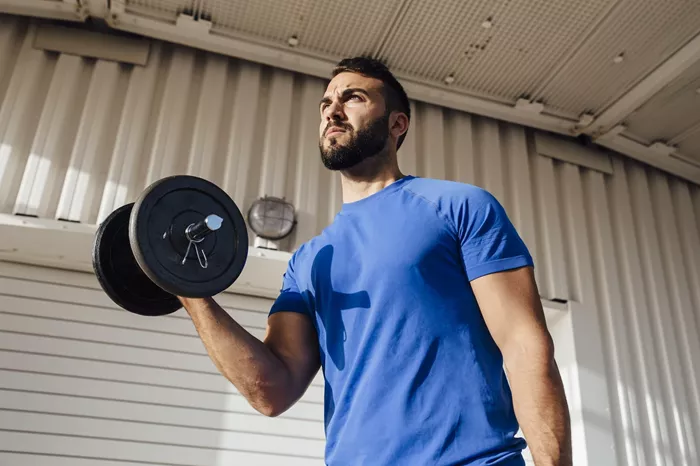
Exercise, particularly resistance training: Lifting weights and doing exercises with large muscle groups increase testosterone. High-intensity interval training (HIIT) is also effective.
Regular aerobic and general physical activity: A study of overweight and obese men found that increasing the number of daily steps and doing aerobic training raised testosterone levels more than dieting alone.
Maintain a healthy diet: Balanced nutrition with healthy fats, adequate protein, whole grains, vegetables, and limiting processed foods and sugars supports hormone production. High-fat or “low-fat” extremes both carry risks.
Sleep well: Testosterone is produced during deep sleep; insufficient or poor-quality sleep reduces production. Strive for 7-9 hours of regular, restorative sleep.
Manage stress: High cortisol from chronic stress can suppress testosterone. Relaxation techniques, therapy, meditation or simply ensuring enough rest can help.
Avoid alcohol, smoking, and environmental disruptors: Heavy drinking, smoking, and exposure to chemicals (e.g. BPA) have been linked to lower testosterone. Minimising these can help maintain healthy levels.
Recent Policy & Safety Updates
The FDA in the US has updated labels on testosterone products. They now include results from recent trials showing that, for men with medically diagnosed low testosterone (hypogonadism), there is no increased cardiovascular risk when therapy is properly managed. However, manufacturers must now also include warnings about potential effects on blood pressure.
In the UK, experts have called for routine testing of testosterone deficiency (TD) in men with type 2 diabetes, arguing that TD is under-recognised and under-treated. New consensus recommendations suggest including clearer guidance in national diabetes care protocols.
When to See a Healthcare Professional
You should seek medical advice if you:
- Have symptoms like those listed above
- Are middle-aged or older and noticing changes that concern you
- Have risk factors like type 2 diabetes, obesity, or cardiovascular issues
- Are considering using any testosterone booster supplement or starting TRT
Bottom Line
“Testosterone Booster” is a popular phrase, often used in marketing. While supplements and herbal remedies sometimes show small benefits, they are not substitutes for medical treatment if you have a clinically diagnosed low testosterone level. Instead, the most effective strategy is focusing on consistent lifestyle changes: good diet, regular and strenuous physical activity, sufficient sleep, stress management, and avoiding toxins and excess alcohol. These have stronger scientific backing for maintaining or improving testosterone levels with fewer risks.
