
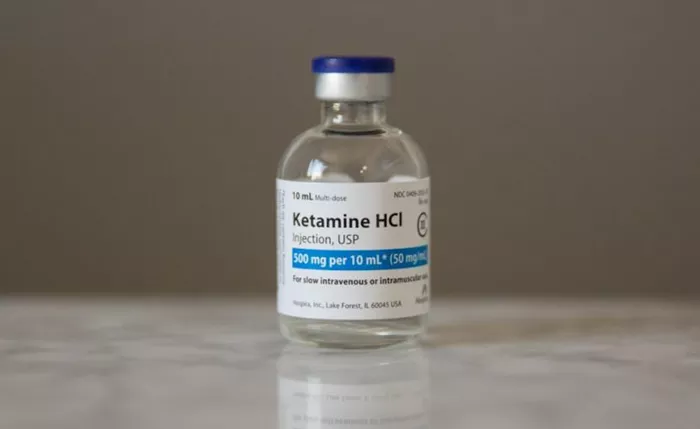
Recent research has provided valuable insights into the efficacy of intravenous (IV) ketamine and intranasal (IN) esketamine for patients with treatment-resistant depression (TRD). A study conducted by researchers at Harvard-affiliated Mass General Brigham analyzed data from 153 adult patients treated at McLean Hospital. The findings, published in the Journal of Clinical Psychiatry, revealed that both treatments significantly reduced depression severity, with IV ketamine demonstrating earlier and more substantial improvements.
Study Overview
The retrospective analysis included 111 patients who received IV ketamine and 42 who received IN esketamine. Both groups underwent twice-weekly treatments over four to five weeks, totaling eight sessions. The results indicated that:
- IV ketamine led to a 49.22% reduction in depression scores by the final dose.
- IN esketamine resulted in a 39.55% reduction over the same period.
- Patients receiving IV ketamine showed significant improvement after the first treatment, whereas those on IN esketamine experienced notable benefits after the second session.
Clinical Implications
These findings suggest that IV ketamine may offer a more rapid and pronounced response compared to IN esketamine. However, both treatments are associated with risks, including potential misuse and side effects. The study’s authors emphasize the importance of considering individual patient needs, treatment settings, and safety protocols when choosing between these therapies.
Regulatory and Safety Considerations
While IN esketamine (marketed as Spravato) has received FDA approval for treatment-resistant depression, IV ketamine remains an off-label option. The FDA has issued alerts regarding the unapproved use of ketamine for psychiatric disorders, highlighting concerns about safety and efficacy. Patients and healthcare providers are urged to weigh the benefits and risks carefully and to adhere to established guidelines and regulations.
Future Directions
Further research, including randomized clinical trials, is necessary to confirm these findings and explore long-term outcomes. Additionally, studies examining the cost-effectiveness and accessibility of these treatments will be crucial in guiding clinical decisions and healthcare policies.
In conclusion, both IV ketamine and IN esketamine present promising options for individuals with treatment-resistant depression. Ongoing research and careful clinical evaluation will continue to shape the landscape of depression treatment, aiming to provide patients with effective and safe therapeutic choices.
YOU MAY ALSO LIKE
Wearable Brain Stimulation Offers New Hope in Depression Treatment
Mindfulness Meditation as a Depression Treatment for Gaming Addiction
Postpartum Depression Risk Higher for Moms with Severe Pregnancy Sickness
