
Dr. David A. Taub, a urologist and director of urologic oncology at the Eugene M. & Christine E. Lynn Cancer Institute at Boca Raton Regional Hospital, part of Baptist Health, spoke with CURE for an interview during Prostate Cancer Awareness Month, observed each September.
Common Warning Signs of Prostate Cancer
Before the introduction of the PSA test in the late 1980s, prostate cancer was often diagnosed at advanced stages. Men commonly presented with symptoms such as:
- Bone pain or fractures
- Blood in the urine
- Difficulty urinating
While these symptoms can occur due to other conditions, they were historically how prostate cancer was first detected.
The Role of the PSA Test
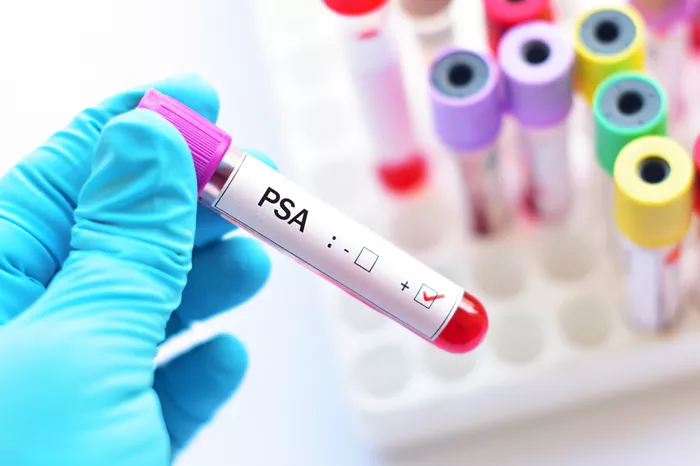
Today, the PSA (prostate-specific antigen) blood test allows doctors to detect prostate cancer much earlier, often before symptoms appear. The test is typically recommended for men aged 50 to 70 as part of routine annual physical exams. Any rise or change in PSA levels usually prompts a referral to a urologist for further evaluation.
Digital Rectal Exams and Follow-Up Procedures
Alongside the PSA test, men are advised to undergo a yearly digital rectal examination (DRE). Abnormal findings from either the PSA test or DRE can lead to additional diagnostic steps, including:
- An MRI scan to better visualize the prostate
- A prostate biopsy to confirm diagnosis
Advances in imaging have made biopsies more precise and less invasive than in the past.
Key Takeaways
- Early detection is crucial—PSA testing and DREs can catch prostate cancer before serious symptoms develop.
- Men aged 50-70 should discuss annual screening with their healthcare provider.
- Any abnormal test result should prompt timely follow-up with a urologist
YOU MAY ALSO LIKE
Christopher Denny Urges PSA Test for Early Prostate Cancer Detection
Former Wildcat Advocates for PSA Test After Early Prostate Cancer
