
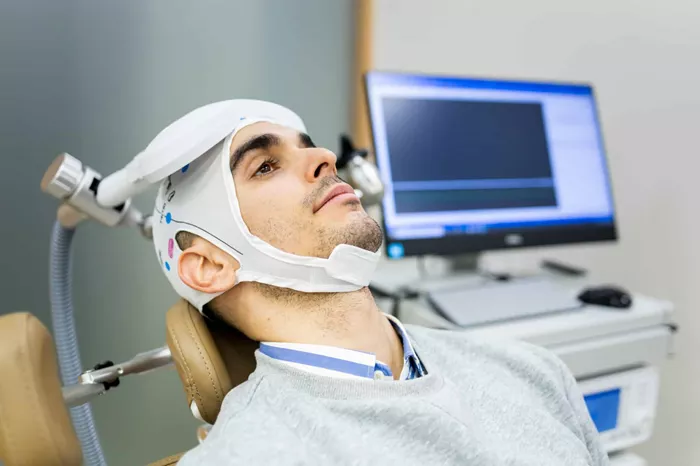
Depression affects millions globally, and traditional treatments like medication and therapy do not work for everyone. This has driven researchers to seek alternative solutions, including wearable brain stimulation devices designed to improve brain function and relieve depression symptoms.
How Brain Stimulation Wearables Work
These devices use transcranial direct current stimulation (tDCS), which delivers low-intensity electrical currents through the scalp to stimulate brain regions involved in mood regulation. Unlike invasive procedures, this technology allows patients to use the device comfortably at home under medical guidance.
Typically, users participate in 20 to 30-minute sessions over several weeks, during which the device promotes neural plasticity — the brain’s capacity to adapt and heal — potentially reducing depression symptoms.
Insights from the NHS Pilot Trial
The NHS recently conducted a trial of Flow Neuroscience’s brain stimulation headset with patients experiencing moderate to severe depression who had limited success with conventional treatments. Participants reported notable mood improvements, with some experiencing symptom relief comparable to or exceeding that of antidepressants but without common side effects.
This study also emphasizes increased accessibility, as the wearable eliminates barriers like travel and clinic stigma, allowing users to receive treatment in their own homes.
Looking Ahead: The Future of Wearable Mental Health Technology
Experts are optimistic about integrating brain stimulation wearables into broader depression treatment strategies. These devices might complement or replace traditional therapies, especially for patients resistant to medication or psychotherapy.
Research is ongoing to explore benefits for other conditions such as anxiety, PTSD, and cognitive decline. Advances promise future versions will be even more effective, user-friendly, and affordable.
What Patients Should Consider
While promising, brain stimulation wearables are not standalone cures. They are most effective as part of a comprehensive treatment plan that includes psychological support and healthy lifestyle choices. Patients interested in this option should consult healthcare providers to ensure safe, personalized use.
Expanding Access to Innovative Depression Treatments
The NHS trial represents a crucial development toward wider adoption of brain stimulation devices in mental health care. As more evidence emerges, such technologies may become standard in treating depression worldwide.
YOU MAY ALSO LIKE
Mindfulness Meditation as a Depression Treatment for Gaming Addiction
