
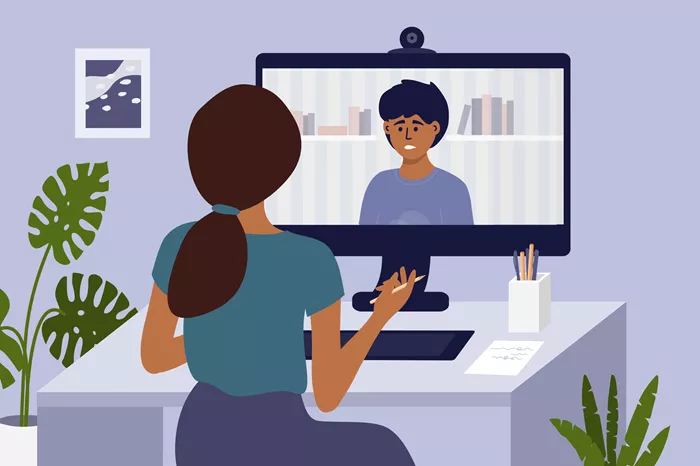
Online therapy is transforming how people access mental health care. With the rise of digital platforms, therapy has become more accessible, flexible, and convenient for clients across the UK. But what about the financial side of being an online therapist? Understanding potential earnings and how they compare to traditional in-person sessions is essential for anyone considering this career path.
Typical Income for Online Therapists
In the UK, online therapists usually charge between £45 and £65 per hour, though rates can vary depending on experience, specialization, and the platform they use. For example:
TherapyDirect: Average £48/hour
BACP Private Practice: Average £52/hour
Online therapists should review the platform they plan to work with to understand typical rates and make informed decisions.
Factors That Affect Online Therapist Earnings
Several factors influence how much an online therapist can earn:
Experience: Licensed therapists with more years of practice often charge higher rates.
Specialization: Therapists focusing on high-demand areas, such as cognitive behavioral therapy or psychodynamic therapy, can set premium rates.
Platform Model: Commission-based platforms reduce take-home pay, while self-managed private practices allow therapists to keep a larger share.
Marketing and Online Presence: Building a strong profile, using social media, and networking can attract more clients.
Session Structure: Offering longer sessions or package deals can increase overall income.
Sample Specialization Rates:
| Specialization | Hourly Rate Range |
|---|---|
| Generalist Therapist | £20 – £35 |
| Relationship Counselor | £30 – £50 |
| Specialist Psychiatrist | £80+ |
Pros and Cons of Online Therapy
Pros:
- Flexible schedules that support work-life balance
- Reduced overhead by eliminating office costs
- Potential to see more clients with fewer time constraints
Cons:
- Technology issues may interrupt sessions
- Limited insurance coverage for online therapy in some cases
- Income can fluctuate depending on client demand
- Despite these challenges, many therapists find online therapy financially and professionally rewarding.
- Comparing Online and Traditional Therapy Pay
Earnings for online therapy can be comparable to in-person therapy for professionals with similar qualifications. Online platforms allow therapists to see more clients and reduce overhead costs, potentially increasing overall income. However, some traditional roles, such as NHS positions, may offer more consistent salaries with fewer fluctuations.
NHS vs. Private Online Pay:
NHS online therapists are paid according to standardized pay scales, depending on experience and grade.
Private online therapists benefit from flexible pricing but may face variable demand.
Platforms like BetterHelp and Talkspace offer subscription-based models, which differ from traditional fixed salaries. While these platforms provide flexibility, therapists must account for expenses like professional indemnity insurance, reliable internet, and marketing efforts.
Is Online Therapy a Viable Career Choice?
Online therapy can be financially sustainable and professionally fulfilling for those committed to digital mental health services. Success depends on:
- Understanding income potential
- Developing specialized skills
- Building a strong online presence
Ultimately, online therapists not only earn a living but also enjoy the satisfaction of helping clients thrive—all from the flexibility of their own schedules.
Frequently Asked Questions
Q: What do private online therapists in the UK earn?
A: Typically £45–£65 per hour, depending on experience and specialization.
Q: How does NHS online therapy pay compare?
A: NHS salaries vary by role and grade, often providing more consistent income.
Q: Does experience affect earnings?
A: Yes. Experienced therapists can charge higher rates and attract more clients.
Q: Are there financial advantages to online private practice?
A: Yes. Reduced overhead, no commuting, flexible schedules, and the ability to take on more clients can boost income.
YOU MAY ALSO LIKE
