
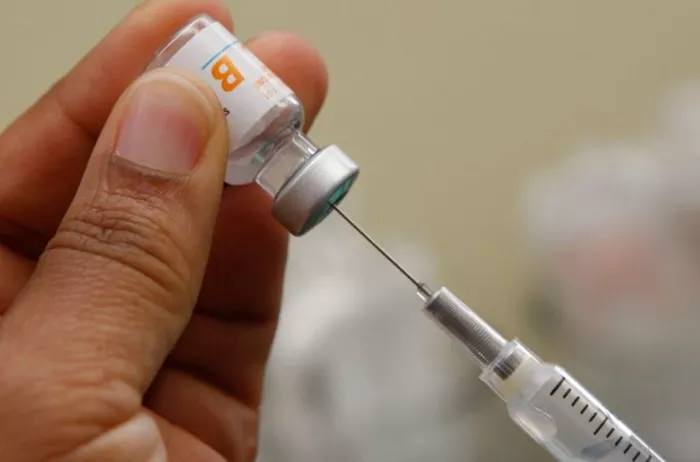
A federal vaccine advisory panel, recently reshaped by Health and Human Services Secretary Robert F. Kennedy Jr., is expected to consider a major change to the nation’s childhood immunization schedule: delaying the hepatitis B vaccine until age 4.
The CDC’s Advisory Committee on Immunization Practices (ACIP) will vote on the proposal at its upcoming meeting Sept. 18–19, according to two former senior CDC officials.
A Departure From Longstanding Practice
For more than 30 years, health authorities have recommended that newborns receive the first of three hepatitis B shots within 24 hours of birth. That strategy has nearly eliminated the virus among American children.
Pediatricians warn that pushing the first dose to age 4 could undo decades of progress.
“Age 4 makes zero sense,” said Dr. Eric Ball, a pediatrician in Southern California. “Universal newborn vaccination ensures protection in cases where a mother doesn’t know she has hepatitis B or her test results are wrong. It’s the best way to keep children and communities safe.”
Hepatitis B spreads through infected blood and bodily fluids. It can cause lifelong infection, cirrhosis, and liver cancer. The disease has no cure.
Concerns About Process
Typically, ACIP forms a work group to review evidence before altering vaccine recommendations. But as of late August, no such review had been launched for hepatitis B, according to former CDC officials.
“This is an atypical situation,” said Dr. Demetre Daskalakis, who once led the CDC’s immunization division.
An HHS spokesperson told KFF Health News that ACIP “exists to ensure that vaccine policy is guided by the best available evidence and open scientific deliberation.”
Opposition Within the Panel
At the panel’s last meeting in June, ACIP Chair Martin Kulldorff questioned the need for universal newborn vaccination, arguing the virus is mostly spread through sexual activity and intravenous drug use.
But health experts counter that infants can acquire hepatitis B from their mothers at birth—or later through casual contact. The virus can survive for days on surfaces, making unvaccinated children vulnerable in everyday settings.
“We tried relying on testing pregnant women. It didn’t work,” said Dr. William Schaffner, an infectious disease expert at Vanderbilt University and former ACIP member. “The universal newborn vaccine was the solution, and it has been brilliantly successful.”
The Human Impact
For people living with hepatitis B, the debate feels personal.
“I’m frustrated,” said Wendy Lo, who believes she contracted the virus at birth. “This disease has touched every aspect of my life. I wouldn’t wish it on anyone if it can be prevented.”
Lo credits vaccination with protecting her children and partner. “The vaccine is safe, effective, lifesaving—and it prevents cancer. How many vaccines do that?”
The CDC estimates that half of people with hepatitis B don’t know they are infected. Infections acquired in infancy are far more likely to become chronic, leading to long-term complications decades later.
What’s at Stake
If ACIP changes its recommendations, insurance companies could stop covering the hepatitis B vaccine for infants. Families who rely on the federal Vaccines for Children program could also lose access.
Schaffner worries about the long-term consequences. “We’ll see hepatitis B cases return,” he said. “And the next generation of doctors will be treating infections we already knew how to prevent.”
YOU MAY ALSO LIKE
West Virginia Vaccine Mandate Faces Court Battles
Psilocybin Shows Promise for Long-Term Depression Treatment, Study Finds
Personalized Brain Stimulation Shows Promise for Depression Treatment
