
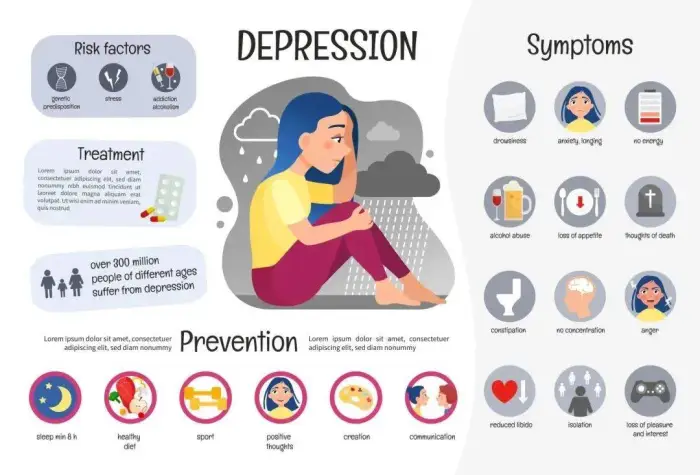
A groundbreaking study conducted by UCLA Health offers new hope for individuals struggling with moderate to major depression. Published in JAMA Network Open, the research demonstrates that a personalized approach to noninvasive brain stimulation can significantly reduce depressive symptoms in less than two weeks. This tailored method, which uses advanced imaging and focused electrical stimulation, resulted in a substantial portion of participants achieving remission—an encouraging sign for those who have not responded to conventional treatments.
Depression remains a persistent challenge in mental healthcare. While medications and psychotherapy benefit many, a significant number of patients experience little or no relief, even after trying multiple options. Standard treatments often require weeks or months to take effect and may cause undesirable side effects such as weight gain and sleep disturbances. These limitations underscore the urgent need for therapies that are both effective and rapid-acting, with a favorable safety profile.
Scientific understanding of depression has evolved from viewing it solely as a chemical imbalance to recognizing disruptions in large-scale brain networks. Recent brain imaging studies have pinpointed altered activity patterns in circuits responsible for emotional processing and self-reflection. One area of particular interest is the frontoparietal network, especially the dorsolateral prefrontal cortex (DLPFC), which frequently shows reduced activity on the left side of the brain in people with depression. Meanwhile, other networks linked to internal thoughts and emotional responses may become overactive.
Transcranial direct current stimulation (tDCS) is a treatment developed to restore balance within these brain networks. By delivering weak electrical currents through scalp electrodes, tDCS encourages healthier brain activity. However, traditional tDCS employs large electrodes that produce a diffuse current, limiting its ability to precisely target specific regions like the DLPFC.
To address this limitation, researchers investigated high-definition tDCS (HD-tDCS), a newer technique utilizing clusters of smaller electrodes to concentrate electrical stimulation on precise brain targets. This study combined HD-tDCS with MRI-based personalization, using scans to identify each participant’s unique target location within the left DLPFC.
Clinical Trial Highlights Targeted Approach’s Effectiveness
The research team conducted a randomized, double-blind, sham-controlled clinical trial—considered the gold standard in medical science—with 71 adults aged 18 to 65 experiencing moderate to severe major depressive episodes. Participants were randomly assigned to receive either active personalized HD-tDCS treatment or a sham (placebo) procedure. Both groups underwent MRI scans at the study’s outset, enabling researchers to build 3D models of each participant’s brain and precisely guide electrode placement using a specialized neuronavigation system.
Over twelve consecutive workdays, participants attended daily 20-minute sessions. The active group received a consistent 2-milliamp current directed at their hypoactive left DLPFC; meanwhile, the sham group experienced only brief sensations mimicking real treatment but received negligible current overall. The severity of depression was measured throughout using the Hamilton Depression Rating Scale (HAMD).
Results were striking: those who received personalized HD-tDCS showed significantly greater reductions in depression scores compared to the placebo group—a difference apparent after just six sessions and increasingly pronounced by the twelfth session. The improvement was both statistically significant and clinically meaningful, offering faster symptom relief than traditional therapies.
This innovative approach appears well-tolerated and specifically targets brain circuits implicated in depression, positioning it as a promising new option for patients who have not benefited from existing treatments. As further research confirms these findings, personalized HD-tDCS could reshape how moderate to major depression is managed across America’s health network.
YOU MAY ALSO LIKE
Keto Diet Shows Promise For Depression Treatment
Personalized Brain Stimulation Speeds Depression Treatment
Emerging Ketamine Therapy Offers Hope in Teen Depression Treatment Crisis
