
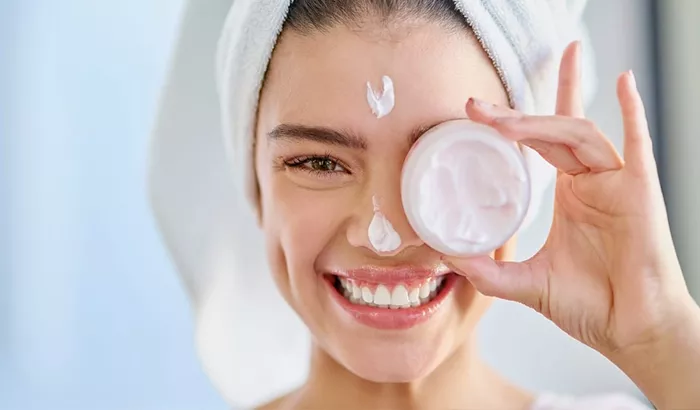
In recent years, platforms such as TikTok, YouTube, and Instagram have become central stages for influencers and everyday users alike to showcase elaborate skincare routines. These often involve a dizzying array of products and steps—ranging from trendy snail mucin serums to sophisticated red-light therapy masks—each promising radiant, youthful skin. The proliferation of such content has led many individuals to experiment with products and regimens without professional guidance, as noted by Dr. Kathleen Suozzi, a professor of dermatology at Yale School of Medicine. Dr. Suozzi observes that “social media is having such a huge influence on what we’re using in our skin and every individual is acting like their own clinician and trying to diagnose their own skin type and experiment with different regimens.”
However, dermatologists caution that this surge in self-directed skincare has resulted in routines that are often unnecessarily complicated. While some viral products may be harmless or even pleasant to use, others can lead to unintended consequences or exacerbate existing skin concerns. The core message from experts is clear: simplicity and consistency are far more beneficial than chasing the latest online trends.
Essential Steps for Effective Facial Care
The skin on our face is particularly delicate—thinner and more sensitive than elsewhere on the body—which demands thoughtful care and protection. Dermatologists universally recommend beginning with three foundational products: a gentle cleanser to remove impurities, a moisturizer to maintain hydration, and a broad-spectrum sunscreen with at least SPF 30 for daily protection against ultraviolet (UV) radiation.
Dr. Oyetewa Asempa, director of the Skin of Color clinic at Baylor College of Medicine, underscores the crucial role of sun protection in maintaining healthy skin. “Nine out of ten skin care concerns on the face that people come to see me for are worsened by UV radiation from the sun,” Dr. Asempa states. Common issues such as wrinkles, hyperpigmentation following rashes, and dark scarring from acne are all exacerbated by sun exposure.
It’s important to recognize that everyone’s skin is unique; what works for one person may not be suitable for another. Overloading your routine with numerous products can irritate sensitive facial skin or result in redundancy, especially when formulations share similar active ingredients. Dermatologists advise tailoring your regimen to your specific needs while avoiding unnecessary complexity.
Navigating Anti-Aging Products: Retinol and Exfoliants
As skin ages naturally, it undergoes changes—collagen production slows, leading to reduced elasticity and the formation of fine lines. Retinol creams and chemical exfoliants are widely marketed as solutions for aging skin, promising renewed glow and smoother texture. While these ingredients can be beneficial under proper guidance, experts caution against premature use or overuse.
Retinoids—derivatives of vitamin A—can help stimulate collagen production but are best introduced around age 30 or older; using them earlier may cause irritation rather than improvement. When it comes to exfoliation, dermatologists prefer chemical exfoliants containing alpha-hydroxy acids (AHAs) or beta-hydroxy acids (BHAs) over physical scrubs made with beads or granules, which can damage delicate facial skin.
If you opt for chemical exfoliation, remember that sun sensitivity increases; diligent sunscreen application becomes even more critical. FDA guidelines support the safety of retail chemical exfoliants when ingredient concentrations are clearly disclosed, but stronger peels performed in professional settings require additional oversight.
Avoiding Overhyped Products: Separating Fact from Fiction
The relentless cycle of skincare trends on social media often brings questionable products into the spotlight. Dermatologists urge caution with certain fads—such as beef tallow (rendered cow fat), which Dr. Asempa firmly advises leaving “with the cows.” Similarly, red-light therapy masks have gained popularity for their purported collagen-boosting effects; however, Dr. Suozzi notes that while some studies suggest mild benefits, these devices are unlikely to deliver dramatic transformations without frequent use over extended periods.
Another common misconception is that higher-priced skincare products automatically yield superior results. Dr. Jordan Lim of Emory University School of Medicine dispels this notion: “Price does not equal efficacy, and it does not equal better results,” Lim explains. Many high-end creams share their active ingredients with more affordable counterparts; consumers should focus on proven formulations rather than price tags or celebrity endorsements.
In conclusion, maintaining healthy facial skin does not require an arsenal of expensive or trendy products. A simple routine anchored by gentle cleansing, effective hydration, and daily sun protection forms the backbone of good skincare. For those considering anti-aging treatments or exfoliation, professional advice ensures safe and appropriate use tailored to individual needs.
YOU MAY ALSO LIKE
Menopause May Change More Than You Think: Your Voice
Menopause Care Goes Mainstream: Bonafide Health Products Now at Target
Empowering Women: Effective Perimenopause Treatments and Lifestyle Strategies Explored
