
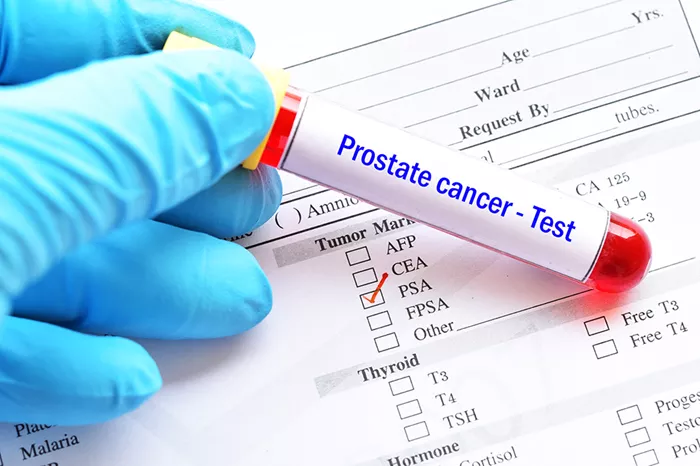
New Zealand lawmakers are moving forward with a plan to improve prostate cancer detection. The Health (Prostate Cancer Screening Services) Amendment Bill, introduced by the New Zealand First party, calls for a four-year pilot screening program in two regions—one in the North Island and one in the South Island.
What the bill would do
If passed, the program would provide free, structured screening for men at higher risk of prostate cancer. The approach combines prostate-specific antigen (PSA) blood tests, MRI scans, and targeted biopsies when necessary. The goal is to catch prostate cancer earlier, when treatment is most effective.
“This is about saving lives,” said New Zealand First leader Winston Peters. “Over 4,000 men are diagnosed each year, and more than 700 die. Too many cases are detected late, when treatment options are limited and outcomes are poorer.”
Potential impact on health outcomes
Independent economic analysis suggests the benefits could be substantial. According to the New Zealand Institute of Economic Research (NZIER), extending the pilot into a 20-year national program could save the health system more than $100 million and generate over $500 million in lifetime health gains.
Building on past recommendations
The proposal also builds on earlier recommendations from New Zealand’s parliamentary petitions committee, which has supported a risk-based, equitable testing system for prostate cancer.
“This is commonsense, evidence-based policy that will protect Kiwi men and their families,” Peters said.
