
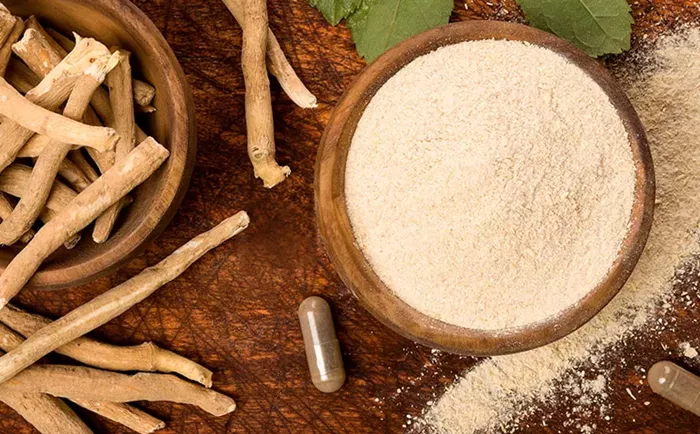
If you’ve been scrolling social media recently, you may have noticed the buzz around ashwagandha, a herbal supplement celebrities like Meghan Markle, Gwyneth Paltrow, and Jennifer Aniston reportedly use for stress relief. On TikTok alone, the hashtag #ashwagandha racked up over 670 million views in 2024.
But beyond the hype, what does research actually say about this ancient herb?
What Is Ashwagandha?
Scientifically known as Withania somnifera, ashwagandha has been used for thousands of years in Ayurvedic medicine, a traditional Indian system that emphasizes balance between the body, mind, and spirit. Ayurveda uses natural remedies, diet changes, physical therapy, meditation, and yoga to support overall health.
In traditional medicine, ashwagandha is classified as an adaptogen, meaning it may help the body cope with physical, chemical, and biological stress.
Potential Benefits
1. Stress and Anxiety Relief
The most robust evidence supports ashwagandha’s role in reducing stress and anxiety. Reviews of small studies show it may lower perceived stress levels, potentially by influencing cortisol, the body’s primary stress hormone.
2. Better Sleep
The “somnifera” in its scientific name means “sleep-inducing.” Some studies suggest ashwagandha may help people fall asleep faster and improve sleep quality. However, research is limited and it’s unclear whether it is more effective than standard sleep medications.
3. Physical Performance
Traditionally associated with strength—its Sanskrit name translates to “the smell of a horse”—ashwagandha may improve muscle strength, mass, and exercise performance.
4. Male Reproductive Health
Some small studies indicate ashwagandha can boost testosterone levels and improve sperm quality, potentially supporting fertility. Men with hormone-sensitive conditions, such as prostate cancer, should avoid it.
5. Cognitive Function
Preliminary research suggests ashwagandha may help protect against oxidative stress and inflammation, which can affect memory and focus, especially in older adults.
6. Other Investigational Uses
Researchers are exploring its role in managing long COVID symptoms and lowering blood sugar levels, but results are not yet conclusive.
Risks and Side Effects
While generally considered safe for short-term use, ashwagandha can cause side effects and may not be suitable for everyone:
- Mild digestive issues: nausea, upset stomach.
- Liver concerns: rare cases of liver injury, including severe liver failure.
- Autoimmune conditions: may trigger flare-ups in diseases like rheumatoid arthritis or multiple sclerosis.
- Drug interactions: can affect sedatives, immunosuppressants, and thyroid medications.
- Pregnancy and breastfeeding: should be avoided due to potential risk of miscarriage.
Long-term safety is not well studied, and benefits may take weeks to appear.
Bottom Line
Ashwagandha shows promise as a stress reliever, sleep aid, and potential energy booster. Yet, scientific evidence is still developing, and large clinical trials are needed to confirm its benefits, side effects, and optimal dosages.
If you’re considering adding ashwagandha to your routine—especially for long-term use—consult a healthcare professional first, particularly if you have pre-existing conditions or take other medications.
