
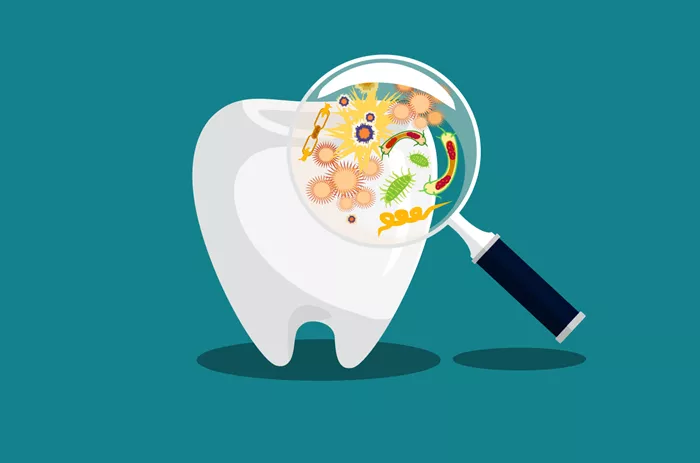
Scientists at the University of California, Berkeley, have uncovered a genetic mechanism in oral bacteria that may pave the way for innovative strategies to combat tooth decay, one of the world’s most common chronic diseases.
Led by Professor Wenjun Zhang of chemical and biomolecular engineering, the research team identified a gene cluster that enables bacteria in the mouth to stick together and form strong biofilms—the sticky layers of microbes on teeth known as plaque. Their findings were published in the Proceedings of the National Academy of Sciences on August 19.
While previous studies have emphasized the role of bacterial species in cavity formation, Zhang’s team took a different approach by examining the metagenome—the full DNA blueprint of the oral microbiome. They discovered that this gene cluster produces two molecules that work together like glue and string, allowing bacteria to clump and chain into resilient communities.
Crucially, the cluster was found in harmful strains such as Streptococcus mutans, a leading cause of tooth decay. Zhang’s team now sees potential in transferring these adhesive properties to beneficial bacteria, like Streptococcus salivarius, a natural oral probiotic. Enhancing its ability to form biofilms could help healthy microbes outcompete cavity-causing species.
“This is an opportunity to engineer the oral microbiome for better health,” said Zhang. “By understanding and redirecting these specialized metabolites, we can strengthen good bacteria and suppress those that promote cavities.”
The work sheds light on what Zhang calls “specialized metabolism”—genetic networks that allow microbes to create unique molecules influencing their environment. While such metabolites have been studied extensively in soil bacteria, their role in the human microbiome has remained largely unexplored. Zhang’s team previously identified clusters producing antibiotics and sticky molecules in oral bacteria, reinforcing the importance of these pathways in human health.
Graduate student McKenna Yao, a co-first author on the paper, emphasized the broader implications: “Specialized metabolites give bacteria survival advantages, whether by killing competitors or monopolizing resources. In the mouth, they can tip the balance toward health or disease.”
Looking forward, Zhang and her colleagues aim to map the full collection of specialized metabolites produced in the oral microbiome. This blueprint could guide the development of new probiotics or inhibitors to block harmful biofilm formation.
YOU MAY ALSO LIKE
Hepatitis B Vaccine for Newborns Sparks Debate Among Senators and Experts
Medical Organizations Urge HHS Secretary Kennedy to Resign Amid Policy Debate
Kennedy’s Childhood Health Plan Faces Doubts Over Enforcement
