
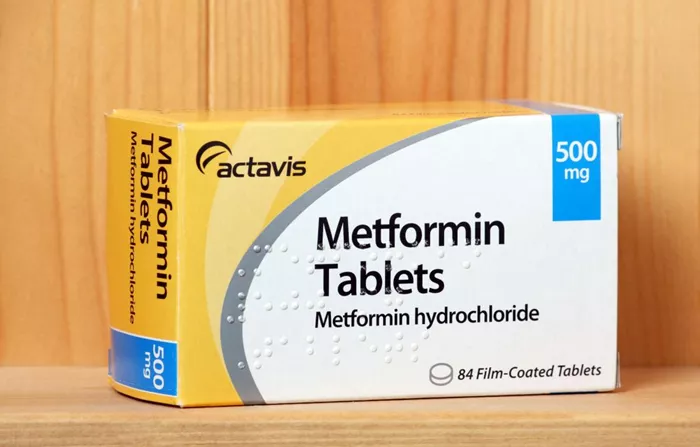
A widely used diabetes drug could help curb the risk of Long COVID in overweight and obese individuals, according to a major UK study.
The research, published in Clinical Infectious Diseases, analyzed more than 1.8 million records from 624,308 adults and found that starting metformin within 90 days of a COVID-19 infection was associated with a 64% lower likelihood of developing Long COVID.
Widespread Impact of Long COVID
Long COVID—also known as post-COVID-19 condition (PCC)—is defined by the World Health Organization as symptoms lasting at least two months and typically appearing within three months of infection. Reported symptoms range from fatigue and memory issues to breathing difficulties and insomnia.
An estimated 1.9 million people in the UK, or 2.9% of the population, were living with Long COVID as of March 2023, underscoring the urgency of preventive strategies.
Study Details
Researchers used anonymized health data from the Clinical Practice Research Datalink (CPRD) Aurum, which covers nearly one-quarter of England’s population. Adults with a body mass index of 25 or higher who contracted COVID-19 between March 2020 and July 2023 were included.
Those who had used metformin or other glucose-lowering medications before infection were excluded. Researchers then compared outcomes between patients who began metformin shortly after infection and those who did not, using statistical models to mimic randomized trials.
The study’s primary outcome measured whether participants developed Long COVID symptoms or received a clinical diagnosis within one year.
Findings
Out of more than 624,000 eligible patients, 2,976 initiated metformin after infection. Results showed a clear link between metformin use and reduced Long COVID risk, with an absolute risk difference of –12.6%. In practical terms, treating about eight overweight or obese patients with metformin could prevent one case of Long COVID.
The effect was consistent across age groups, genders, diabetes status, body weight categories, and virus variants. A control analysis confirmed that the findings were not linked to unrelated health outcomes such as cancer.
What It Means
Metformin is best known as a first-line treatment for type 2 diabetes, but it also has anti-inflammatory properties and may interfere with viral replication, though the exact mechanisms remain unclear.
The study suggests that early use of metformin could improve outcomes for higher-risk individuals, though the results are observational and cannot prove cause and effect. Experts emphasize the need for large-scale clinical trials to validate the findings and determine whether metformin should be considered as part of broader Long COVID prevention strategies.
YOU MAY ALSO LIKE
Curcumin Supplements Linked to Modest Weight Loss in Diabetes Patients
Mediterranean Diet with Lifestyle Changes Cuts Diabetes Risk by 31%
