
Researchers at Trinity College Dublin have discovered that electrical stimulation can reprogram macrophages—key immune cells—into a state that reduces inflammation and accelerates tissue repair. The findings, published in Cell Reports Physical Science, point to a promising new therapeutic approach for treating disease and injury.
Macrophages, a type of white blood cell, play a central role in immunity. They eliminate pathogens, clear damaged cells, and activate other immune defenses. However, when their inflammatory activity goes unchecked, it can cause harm and worsen many diseases, underscoring the need for strategies to regulate their function.
In the study, Trinity scientists used a custom bioreactor to apply electrical currents to macrophages derived from healthy blood donors. They observed that stimulation shifted the cells into an anti-inflammatory state. The treated macrophages showed reduced activity of inflammatory markers, increased expression of genes linked to blood vessel formation, and enhanced recruitment of stem cells—all processes associated with tissue repair.
“We have known for a long time that macrophages are central to infection control and tissue repair,” said Dr. Sinéad O’Rourke, research fellow in Trinity’s School of Biochemistry and Immunology and lead author of the study. “This work shows for the first time that electrical stimulation can reprogram human macrophages to suppress inflammation and promote healing.”
Professor Aisling Dunne of Trinity’s School of Biochemistry and Immunology and Professor Michael Monaghan of the School of Engineering led the interdisciplinary team. They emphasized that the results are particularly significant because they were achieved using human cells, making the findings more directly relevant to clinical applications.
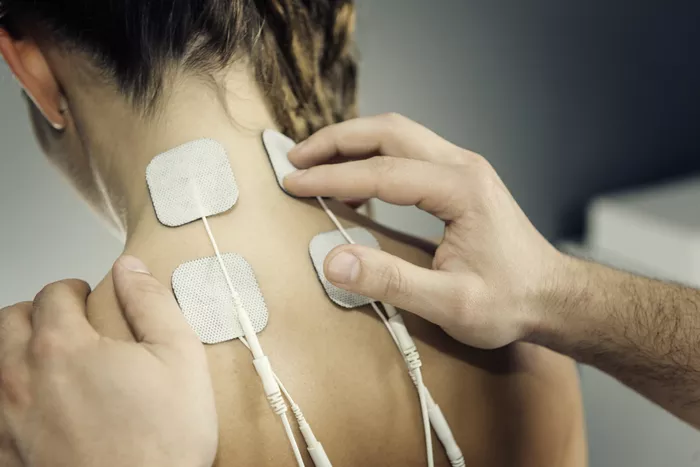
Electrical stimulation, the researchers noted, is relatively safe and straightforward compared with other therapeutic options. Future work will focus on refining stimulation protocols and developing new materials to deliver electric fields more effectively.
“Electrical stimulation has yielded compelling effects in vitro,” said Prof. Monaghan. “With further development, it could offer a powerful new way to treat a wide range of inflammatory diseases.”
YOU MAY ALSO LIKE
New Rule Expands Real-Time Access to Prescription Drug Prices
Advanced Prostate Cancer Cases Rising Sharply, Report Warns
Flu Shot Guidance: Timing, Safety, Cost and Effectiveness This Season
