
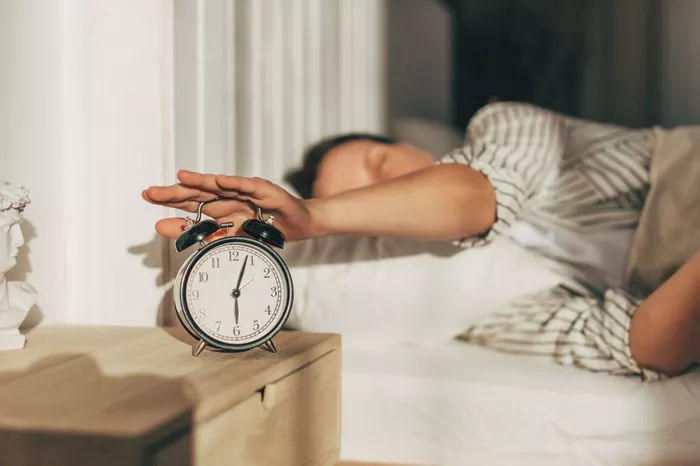
If you struggle to fall asleep, you may want to rethink your bedtime routine. Kirsty Vant, a sleep researcher at Royal Holloway University of London, says five widely recommended sleep hacks could actually be making insomnia worse.
For years, experts have suggested avoiding technology before bed, limiting caffeine, and sticking to a fixed sleep schedule. But Vant warns these strategies are not always effective and, in some cases, may backfire.
One common mistake is going to bed earlier or sleeping in to “catch up” on rest. “The more time you spend in bed awake, the more you weaken the mental association between bed and sleep—and strengthen the link between bed and frustration,” she explained. Instead, she recommends going to bed slightly later while maintaining a consistent wake-up time, which helps restore the bed as a cue for sleep.
Trendy sleep trackers, while popular, may also contribute to sleep problems. Many users become obsessed with tracking their sleep quality, a phenomenon known as orthosomnia. According to Vant, trying too hard to optimize sleep can paradoxically worsen insomnia. “Sleep is an autonomic function. While we can influence it through healthy habits, we can’t force it to happen. Sometimes, the best approach is to care less about sleep and let your body do what it’s designed to do.”
Screen time before bed is another area where conventional advice may need nuance. Blue light from devices can suppress melatonin and interfere with natural sleep rhythms. However, lying in total darkness with nothing to occupy the mind can promote anxiety and overthinking. Vant suggests using screens strategically, such as choosing calming content, enabling night mode, and avoiding mindless scrolling.
Caffeine, she adds, should be consumed with awareness of personal sensitivity. “Avoiding it later in the day is wise, but cutting it out completely isn’t always necessary. Understanding your individual response is key.”
According to recent surveys, around one in nine women in the UK—roughly 4.5 million—now use sleep or health tracking apps or devices. These tools monitor sleep stages and provide alerts when users fail to reach target hours. While helpful for awareness, Vant cautions that rigid expectations around sleep can increase stress and insomnia risk. “Healthy sleep isn’t a fixed number of hours—it’s dynamic and responsive to life’s demands, from stress and health to parenting responsibilities.”
Insomnia is common but treatable. The Sleep Foundation notes that most people take 10–20 minutes to fall asleep naturally, and waking during the night does not always indicate a sleep disorder. Nevertheless, poor sleep is linked to serious health issues, including heart disease, stroke, and infertility. In the UK, up to 14 million people experience insomnia, while nearly 70 million Americans have a sleep disorder, according to the American Sleep Association.
Vant emphasizes that insomnia is not a personal failing. By adjusting habits thoughtfully and avoiding sleep-related anxiety, individuals can improve rest and overall well-being.
YOU MAY ALSO LIKE
Study Reveals Two-Way Link Between Gut Bacteria and Insomnia
Cognitive Behavioral Therapy Shows Strong Results for Insomnia Treatment
