
Stress is often met with quick fixes—breathing exercises, sleep hygiene, and cutting back on caffeine. While these strategies can bring short-term relief, many people find the cycle of stress quickly returns. Experts say this is because coping tools alone don’t address the deeper roots of stress.
Private therapy is increasingly being recognised as a way to break this cycle. Rather than offering surface-level management, therapy provides a safe space to explore what stress is signalling and how it affects both body and mind.
Why coping isn’t always enough
According to the UK Health and Safety Executive, work-related stress, depression, and anxiety caused an estimated 17.1 million lost working days in 2023/24. Stress isn’t just about “busy weeks”—it has cumulative effects on mental and physical health.
Therapy can slow down this cycle, helping individuals identify not only how stress shows up but also why it persists.
Inside private therapy for stress
Therapy for stress typically involves:
Understanding stress responses: Stress manifests differently for each person, from insomnia and headaches to overwork or physical illness. Mapping these responses helps to see the bigger picture.
Building awareness in a safe space: The therapeutic alliance—trust and collaboration between client and therapist—is one of the strongest predictors of success. This steady relationship allows the nervous system to recalibrate.
Expanding capacity, not just skills: While techniques like time management are useful, long-term change comes from empathy, meaning-making, and self-compassion.
Connecting life domains: Stress often links to caregiving, financial strain, health, or bereavement. Therapy helps make sense of how these pressures intersect.
The role of person-centred therapy
Person-centred therapy is supported by research as effective for stress, anxiety, and depression. Key elements—empathy, unconditional positive regard, and authenticity—are consistently linked with better outcomes.
Private therapy also offers continuity and flexibility, giving clients a choice of therapist and the opportunity to build a lasting relationship.
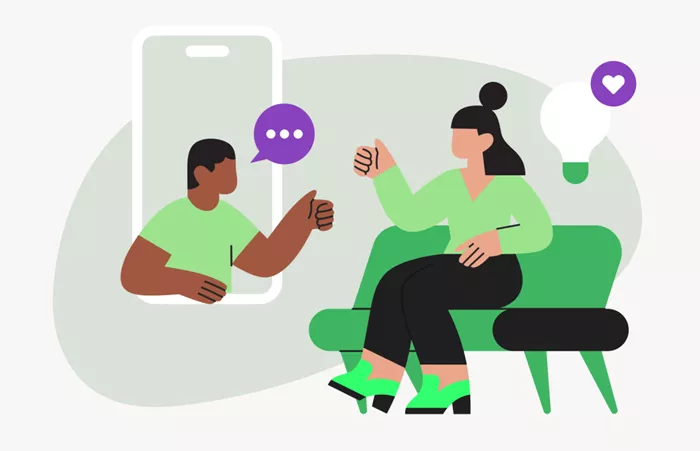
Online therapy as an effective option
Studies show that online therapy is as effective as in-person sessions for common mental health issues, with similar satisfaction and retention rates. For many adults balancing busy schedules, online sessions reduce logistical stress while maintaining therapeutic depth.
Beyond coping: how therapy makes a difference
Research highlights several mechanisms through which therapy supports long-term change:
- Empathy helps regulate the nervous system.
- Positive regard reduces shame and encourages openness.
- Self-compassion lowers anxiety, depression, and stress symptoms.
These shifts occur gradually, through regular therapeutic engagement rather than quick fixes.
Support at The Farley
The Farley practice in Southampton, as well as online across the UK, approaches stress not as something to be “managed away,” but as a meaningful signal. Therapy here emphasises:
- Consistency and flexibility in sessions
- A collaborative, personalised pace
- Attention to the full picture of work, identity, grief, or burnout
- Relational depth and progress check-ins
This service may particularly benefit adults who appear to cope outwardly but feel overwhelmed internally—professionals, carers, parents, or those navigating transitions such as illness, loss, or relocation.
YOU MAY ALSO LIKE
How Online Therapy Supports Emotional Skills and Classroom Learning
Free Online therapy Anger Management Courses Offer Certificates
