
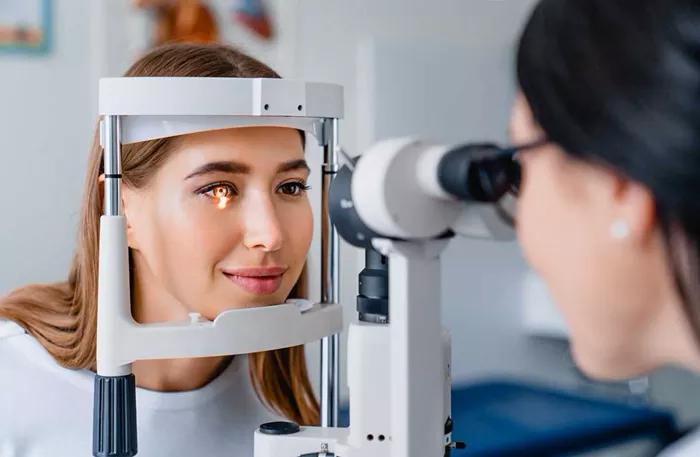
A simple eye exam may one day help doctors detect Alzheimer’s disease years before symptoms appear, according to new research published in Alzheimer’s & Dementia.
Scientists at The Jackson Laboratory (JAX) found that changes in the tiny blood vessels of the retina in mice mirrored early signs of brain abnormalities linked to dementia. The findings suggest that routine eye screenings could provide a noninvasive way to identify individuals at heightened risk for Alzheimer’s and other forms of dementia.
The study focused on mice carrying a common genetic mutation, MTHFR677C>T, present in up to 40% of people. Researchers observed abnormal retinal blood vessels—including twisted structures, narrowed arteries, and reduced branching—by just six months of age. These same vascular changes were tied to reduced blood flow in the brain, a hallmark of cognitive decline.
“The retina is essentially an extension of the brain,” said lead author Alaina Reagan, a neuroscientist at JAX. “If an optometrist or ophthalmologist sees unusual vascular changes in the eye, it may reflect what’s also happening in the brain.”
Earlier work by the same group revealed similar vascular disruptions in the brains of mice with the same mutation. The new findings reinforce the idea that blood vessel health plays a central role in neurodegenerative diseases. The team also identified protein abnormalities affecting energy production, waste clearance, and vessel stability in both brain and retinal tissue.
Importantly, the study revealed sex- and age-related differences: female mice showed more severe vascular decline by 12 months, echoing the higher prevalence of dementia among women worldwide.
To translate these findings into clinical care, JAX researchers are collaborating with Northern Light Acadia Hospital in Maine to explore whether retinal imaging can help flag at-risk patients during routine eye exams.
“Most adults over 50 undergo yearly vision checks,” Reagan said. “If eye exams can detect vascular changes decades before memory loss, it could give doctors an invaluable window to intervene.”
The study was led by Reagan along with Michael MacLean, Travis L. Cossette, and Gareth R. Howell.
