
At 62, it was time for my annual digital rectal exam (DRE), a brief but essential test that allows physicians to physically check the prostate for abnormalities. Located just below the bladder and in front of the rectum, the prostate’s position makes it difficult to examine. The procedure, which involves a well-lubricated finger inserted into the rectum, can be uncomfortable but typically lasts only a few seconds.
That day, my doctor reported everything looked normal. I didn’t ask further questions and remained unaware that as men age, the prostate becomes increasingly vulnerable to cancer.
Prostate cancer occasionally makes headlines when public figures are diagnosed, such as former US President Joe Biden, Nelson Mandela, Robert De Niro, and Ryne Sandberg. Despite high-profile cases, key details about the disease often go unreported. Like many, I had assumed it was a slow-moving, easily treatable cancer—“the best cancer to have.”
But I am now a prostate cancer survivor. My prostatectomy in 2020 almost came too late. In the United States, prostate cancer is the second leading cause of cancer death in men, with one in eight men diagnosed and one in 44 dying from the disease.
“Prostate cancer has been called the Silent Epidemic,” said Dr. Samuel L. Washington, a urologic surgeon specializing in oncology at the University of California, San Francisco. Even with a healthy lifestyle and routine screenings, the disease can go undetected.
“Many men show no symptoms until the disease is advanced, which is why early testing is critical,” said Dr. Clifford Gluck, a urologist and founder of Dr. Gluck’s Wellness Center in Massachusetts. Once it spreads, particularly to bone, the five-year survival rate drops to 37%.
Despite these risks, screening rates remain low. In 2023, only about 38% of men aged 50 to 64 received screenings, according to Dr. Washington. Delays in testing contribute to higher rates of advanced disease, which are more difficult to treat.
Before turning 62, I often skipped annual physicals, assuming my healthy lifestyle provided protection. I had no symptoms commonly associated with prostate cancer, such as erectile dysfunction or urinary issues. After relocating across the country, I lacked a primary physician until my wife urged me to schedule a checkup. My new doctor ordered a PSA (prostate-specific antigen) test, which measures a protein produced by the prostate. Elevated PSA levels can indicate cancer but may also reflect benign conditions.
For men over 60, a normal PSA level is under four nanograms per milliliter, but values can vary based on individual factors, including age, health, race, and family history. “It’s most important to track changes over time,” said Dr. Ash Tewari, professor and chair of urology at Mount Sinai.
My PSA reading was 17. My doctor’s urgent phone call confirmed the likelihood of cancer.
PSA testing, though widely recommended for men starting at age 50, is controversial. Some physicians hesitate to prescribe it due to the risk of false positives, which can cause stress and lead to unnecessary biopsies. The test may also detect slow-growing cancers that might never cause harm—a phenomenon known as overdiagnosis. According to the National Cancer Institute, 20–40% of screen-detected prostate cancers may not have caused health problems.
“The PSA test has a C rating from the US Preventive Services Task Force,” said Dr. Nancy L. Keating, professor of healthcare policy and medicine at Harvard Medical School. A C rating indicates that patients should make individualized decisions in consultation with their doctor.
Research highlights the complexity of PSA screening. A 2024 study following over 400,000 men aged 50–69 found that while screening provided a small mortality benefit, the potential harms—unnecessary treatment, anxiety, and side effects—often outweighed the benefits. Post-biopsy regret, even when no cancer is detected, affects around 5% of men, according to recent studies.
Men at higher risk of prostate cancer—such as African American men, those with a family history, or individuals with BRCA1 or BRCA2 mutations—may benefit more from early PSA testing. Advances in treatment, including high-intensity focused ultrasound (HIFU), have also improved the safety and efficacy of interventions.
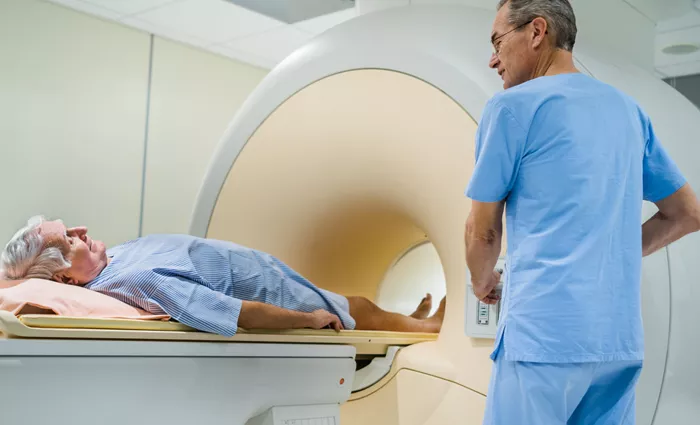
Following my elevated PSA, I underwent an MRI and a prostate biopsy. The biopsy revealed an aggressive cancer, but it had not yet spread. Six weeks later, I underwent a nerve-sparing robotic prostatectomy, which successfully removed the cancer without long-term complications like incontinence or erectile dysfunction.
Earlier detection would have expanded my treatment options. “Early detection can save lives,” Dr. Tewari emphasized, recommending annual PSA discussions for men aged 50–70. My diagnosis and treatment underscore both the life-saving potential and the nuanced risks of prostate cancer screening. For me, taking t
YOU MAY ALSO LIKE
Rising Blood Sugar Linked to Sexual Health Decline in Aging Men
Hormone Replacement Therapy: Weighing Menopause and Cancer Risks
