
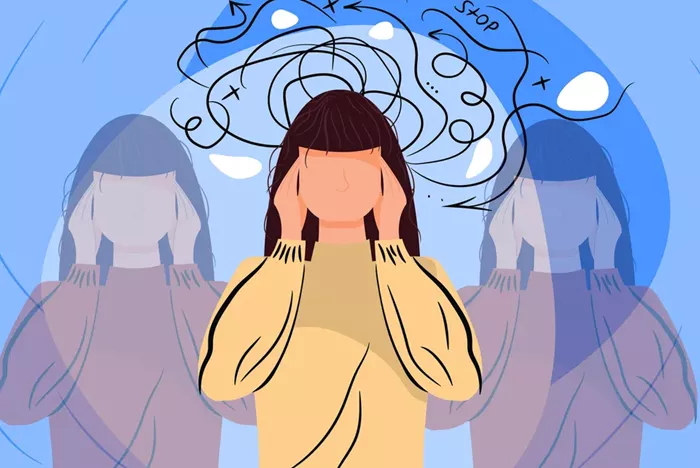
Borderline Personality Disorder (BPD) is a complex mental health condition that profoundly affects mood, behavior, and self-image. Although less commonly diagnosed than anxiety or depression, BPD impacts millions of Americans, with estimates suggesting that approximately 1.4% of U.S. adults live with the disorder. Experts caution that the actual prevalence may be higher due to underdiagnosis and stigma.
Borderline Personality Disorder and Its Symptoms
BPD is marked by persistent instability in emotions, self-perception, and interpersonal relationships. According to clinical psychologist Amanda Darnley, individuals with BPD experience emotions intensely, making emotional regulation exceptionally difficult.
Symptoms often include volatile mood swings, fear of abandonment, impulsive actions, chronic feelings of emptiness, and episodes of anger or paranoia. Self-destructive behaviors such as substance abuse, reckless driving, or self-harm are also common.
Jimmy Noorlander, a clinical social worker, notes that symptom severity varies widely among individuals. The disorder can severely disrupt daily functioning and personal relationships—sometimes triggering extreme reactions to seemingly minor stressors, such as canceled plans, which may result in feelings of rejection or abandonment.
Diagnosing BPD requires a thorough psychological evaluation by a licensed professional, usually after the age of 18, to differentiate symptoms from typical adolescent behavior.
Causes of Borderline Personality Disorder
The exact causes of BPD remain incompletely understood but are believed to involve an interplay of genetic, environmental, and neurological factors. Amber McGregor, clinical director at the 1st Priority Institute for Better Living, explains that genetic predisposition accounts for 40% to 60% of risk. Environmental influences, particularly childhood trauma or growing up in invalidating environments where emotions are dismissed or punished, can critically impair the development of healthy coping mechanisms.
Neurological research suggests that functional differences in brain areas responsible for impulse control and emotional regulation may also contribute, though the precise impact is still being studied.
Effective Treatments Offering Hope for Recovery
Psychotherapy remains the cornerstone of BPD treatment, with dialectical behavior therapy (DBT) being the most effective and specifically designed for this condition. DBT equips patients with skills to manage emotions, tolerate distress, and build healthier relationships. Additional approaches like cognitive behavioral therapy (CBT) and schema therapy can address negative thought patterns and unresolved childhood issues.
Medication is generally a supportive tool rather than a primary treatment and may be prescribed to alleviate co-occurring symptoms such as depression or anxiety.
Support networks comprising family, friends, and peer groups also play a vital role in recovery by fostering connection and understanding.
“While living with borderline personality disorder is challenging, recovery is not only possible but common,” says McGregor. “With appropriate therapy, support, and self-compassion, many individuals achieve emotional stability, build meaningful relationships, and lead fulfilling lives.”
READ MORE
Is BPD Caused by Trauma? Revealed
Study Identifies Cognitive Biotype of Depression That May Resist Antidepressants
Bristol Balloon Fiesta Teams Up with Youth Mental Health Charity Love Squared
