
Depression treatment often requires a personalized approach, blending therapies, medications, and lifestyle changes. While antidepressants can significantly improve symptoms for many, some individuals experience limited or no benefit.
New research offers insight into why responses to these medications vary—highlighting differences in brain function as a key factor.
A study led by Stanford Medicine and published in JAMA Network reveals that a specific “cognitive biotype” of depression is less likely to respond favorably to standard antidepressant medications.
What Is a Cognitive Biotype?
A biotype, as defined by the American Psychological Association, refers to a group sharing similar genetic or biological traits. In this context, the cognitive biotype includes individuals with shared brain activity patterns affecting learning, information processing, and mood regulation.
Participants with this biotype exhibited pronounced difficulties with planning, concentration, and self-control—core executive functions often impaired in depression. Brain imaging revealed distinct neuronal activity patterns correlating with these cognitive challenges.
Study Design and Key Findings
The research involved 1,008 adults diagnosed with major depressive disorder who had not previously taken antidepressants. They were randomly assigned to receive one of three common antidepressants: escitalopram (Lexapro), sertraline (Zoloft), or venlafaxine-XR (Effexor). Of these, 712 completed the eight-week treatment.
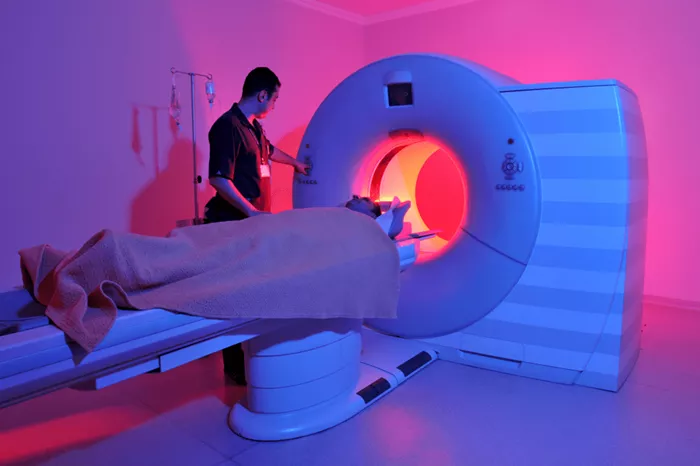
Before and after treatment, depressive symptoms were assessed through clinician-administered and self-reported surveys alongside cognitive testing. During these assessments, functional MRI scans measured brain activity while participants performed memory, attention, and decision-making tasks.
Results showed a significant disparity in treatment outcomes: only 38.8% of those with the cognitive biotype achieved remission, compared to 47.7% of those without it. The difference was most notable with sertraline, where remission rates were 35.9% for the biotype group versus 50% for others.
Board-certified psychiatrist Dr. Sue Varma explains, “About 27% of people have this biotype, and they’re less likely to respond to typical antidepressants like Zoloft or Prozac.” She emphasizes that this discovery may offer hope to patients discouraged by failed medication trials.
Alternative Treatments and Future Directions
This study underscores that depression treatment is not one-size-fits-all. For those with the cognitive biotype, alternative therapies may be more effective. One promising option is transcranial magnetic stimulation (TMS), an FDA-approved, noninvasive procedure using magnetic fields to stimulate brain nerve cells, potentially alleviating depressive symptoms. However, Dr. Varma notes further research is required to fully validate TMS’s efficacy for this subgroup.
Additionally, cognitive behavioral therapy (CBT) remains the “gold standard” for managing depressive symptoms across biotypes. Complementary lifestyle changes—such as regular exercise, nutritious diet, and quality sleep—also play a vital role in improving outcomes.
Dr. Varma concludes, “Understanding the existence of this cognitive biotype is a crucial step toward tailoring treatment, especially when antidepressants fail. Research is ongoing, but this insight can help guide more personalized care.”
READ MORE
