
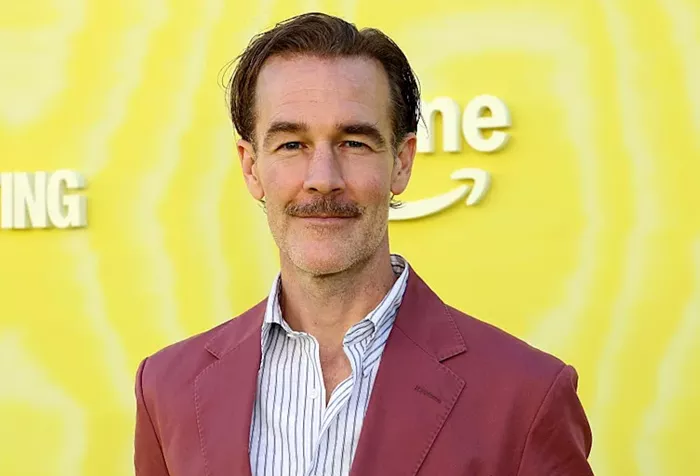
James Van Der Beek, best known for his role in Dawson’s Creek, has opened up about the subtle warning sign he ignored before his stage 3 colorectal cancer diagnosis.
The 48-year-old actor, who announced his condition in November 2024, shared with Healthline that he experienced no obvious red flags, despite being in excellent health and cardiovascular shape.
Van Der Beek recounted, “I was healthy. I was doing the cold plunge. I was in amazing cardiovascular shape, and I had stage 3 cancer, and I had no idea.” The only symptom he noticed was a change in bowel movements, which he initially attributed to his coffee intake rather than a sign of illness.
Before his diagnosis, Van Der Beek admitted to having limited knowledge about colorectal cancer and was unaware that screening recommendations had been lowered to age 45 from 50. A colonoscopy ultimately confirmed his stage 3 colon cancer diagnosis.
Medical experts emphasize that changes in bowel habits remain the primary warning sign for colorectal cancer. Professor Eitan Friedman, M.D., Ph.D., oncologist and founder of The Suzanne Levy-Gertner Oncogenetics Unit at Sheba Medical Center in Israel, told Fox News Digital that other symptoms to watch for include fatigue from anemia, blood in stool, weight loss, loss of appetite, and abdominal discomfort.
Dr. Erica Barnell, M.D., Ph.D., a physician-scientist at Washington University School of Medicine and chief medical officer at Geneoscopy, explained that Van Der Beek’s experience of having no overt symptoms is common. “Many colorectal cancers develop silently, without obvious symptoms,” she said. “By the time symptoms appear, the disease may already be advanced.”
Those over 45, especially with a family history of colon cancer or inflammatory bowel diseases such as ulcerative colitis or Crohn’s disease, should be particularly vigilant, added Friedman. Early detection through regular colonoscopies—starting at age 45 and repeated every 5 to 10 years—can identify precancerous polyps and reduce the risk of malignancy.
Despite the clear benefits of screening, Barnell noted that compliance in the U.S. remains below national goals, particularly in rural, low-income, and minority populations. She called for expanded access to noninvasive screening technologies and increased public education to bridge these gaps.
“Most people don’t like talking about bowel habits, but paying attention to changes can save your life,” Barnell stressed. “Screening gives us the chance to find problems early—often before you feel sick—and that can make all the difference.”
READ MORE
