
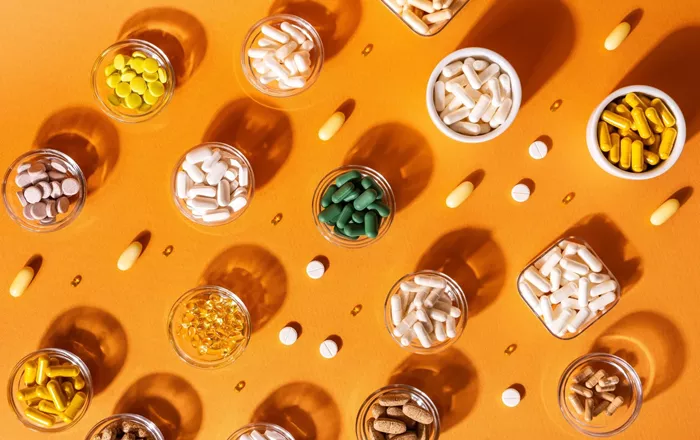
A recent comprehensive review published in Frontiers in Pharmacology examined the research landscape of over-the-counter (OTC) herbal remedies and dietary supplements used to treat depression in adults.
The study emphasized the potential benefits of natural products such as lavender, chamomile, lemon balm, Echium, St John’s Wort, saffron, omega-3 fatty acids, and vitamin D in alleviating depressive symptoms, while noting the need for further rigorous trials to confirm safety and effectiveness.
Depression, marked by persistent low mood, fatigue, and impaired daily functioning, affects millions worldwide. In the UK alone, over 18% of the population experiences some level of depressive symptoms ranging from mild to severe.
Factors contributing to depression include neurotransmitter imbalances, stress hormone overproduction, and impaired brain and gut health. Standard treatment guidelines recommend therapy, exercise, and antidepressants; however, only a small fraction of those affected actually receive treatment, partly due to limited access and long wait times.
Given these challenges, many people turn to herbal medical products (HMPs) and supplements to manage their symptoms independently. The review analyzed 209 clinical trials conducted primarily in countries such as Iran, Germany, Australia, the US, UK, and China, focusing on adults aged 18 to 60 diagnosed with depression. Researchers synthesized data using vote counting methods to assess the overall efficacy of various OTC products.
Among the findings, St John’s Wort emerged as particularly effective, sometimes outperforming prescription antidepressants in studies where it was used as a sole treatment without coexisting conditions.
Saffron showed strong antidepressant effects across a range of health conditions, including postpartum and menopause-related depression, with efficacy comparable to conventional medications. Vitamin D was mostly studied as an adjunct therapy and showed positive effects in many trials.
Other supplements such as melatonin, magnesium, curcumin, cinnamon, Echium, and various vitamins showed inconsistent results, underscoring the necessity for further well-designed research. Safety data was generally favorable, although reporting gaps were noted in some studies.
The authors of the review highlight the need for larger trials with standardized dosing and formulations to better understand these supplements’ therapeutic potential. They encourage more focused research on products like folic acid, lavender, tryptophan, zinc, rhodiola, bitter orange, lemon balm, and chamomile to determine their antidepressant properties.
This evolving evidence base suggests that certain herbal remedies and dietary supplements may offer valuable alternatives or complements to traditional depression treatments, with ongoing studies aiming to clarify their roles in mental health care.
Read more:
