
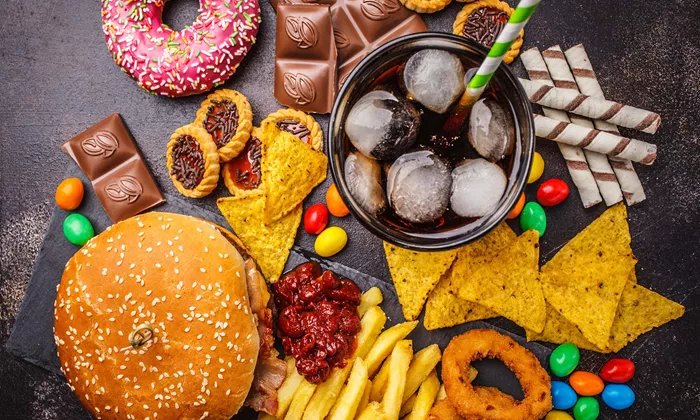
A new clinical study is adding weight to the growing concerns about ultra-processed foods and their impact on health. The six-month diet swap trial, conducted by scientists at University College London and published in Nature Medicine, reveals that eating a diet based on minimally processed foods can significantly improve weight loss outcomes and reduce harmful fat compared to an ultra-processed diet—even when both diets meet standard nutritional guidelines.
The study involved 55 adult volunteers who followed two different eating patterns: one focused on minimally processed foods (like homemade overnight oats), and another centered on ultra-processed meals (such as packaged breakfast cereals). Each participant followed one diet for eight weeks, took a four-week break, and then switched to the other.
While both diets followed the U.K.’s official nutritional recommendations, participants lost more weight and visceral fat on the minimally processed diet, averaging a 2% reduction in body weight, compared to 1% on the ultra-processed diet. Importantly, visceral fat is the type that wraps around internal organs and is linked to greater health risks.
Researchers believe the difference may lie in how ultra-processed foods trigger overeating. These foods are often engineered to be more palatable—with softer textures, stronger flavors, and appealing packaging—which can lead to higher calorie consumption and stronger cravings. Although both diets were rated as similarly satisfying, people on the minimally processed plan reported better control over food cravings.
The study is one of the few clinical trials in this space—something study author Sam Dicken says is challenging due to limited funding for nutrition research. “We were fortunate to have joint support from a medical charity and a UK non-governmental organization,” he noted.
The team is already working on a follow-up study that will explore how behavioral support can help people reduce their intake of ultra-processed foods. But Dicken emphasized that personal willpower alone isn’t the solution. Public policy and systemic change are needed to make healthy diets more accessible and affordable.
Takeaway Health Tips:
Favor whole and minimally processed foods like fresh produce, legumes, lean proteins, and whole grains.
Be cautious with prepackaged items labeled as “healthy” if they contain long ingredient lists or additives.
Watch out for hidden ultra-processed items like sweetened breakfast cereals, flavored yogurts, and processed meats.
Focus on satiety: Meals made from whole foods may help you feel fuller longer and curb cravings naturally.
This study underscores a simple yet powerful truth: What we eat—and how it’s made—has a real impact on our health and weight management goals.
Read more:
