
GLP-1 receptor agonists, a class of medications commonly prescribed for weight loss and diabetes, may significantly boost testosterone levels in men with obesity—even in the absence of major weight loss—according to new research presented at ENDO 2025, the Endocrine Society’s annual meeting.
Researchers from SSM Health St. Louis University Hospital, led by Dr. Shellsea Portillo Canales, monitored 110 men with obesity, many of whom also had type 2 diabetes, over an 18-month treatment period with GLP-1 medications.
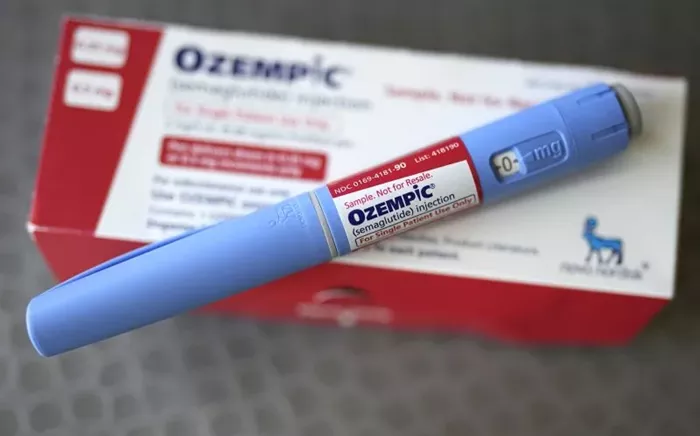
These included semaglutide, dulaglutide, and tirzepatide—the active compounds in medications such as Wegovy, Ozempic (Novo Nordisk), and Trulicity, Mounjaro, and Zepbound (Eli Lilly).
Participants had an average age of 54 and were not taking any additional testosterone-enhancing therapies. Over the course of treatment, the proportion of men with testosterone levels in the normal range rose markedly, from 53% at baseline to 77% by the study’s end.
While the study did not establish causation, it does demonstrate a strong correlation between GLP-1 drug use and improved testosterone levels, Portillo Canales emphasized.
“Weight loss through lifestyle changes and bariatric surgery is already known to enhance testosterone, but the effects of pharmacologic interventions like GLP-1 medications have remained understudied until now,” she said.
The findings suggest a potential dual benefit of GLP-1 therapies for men struggling with both obesity and low testosterone—a condition that can contribute to fatigue, low libido, and metabolic complications.
Read more:
