
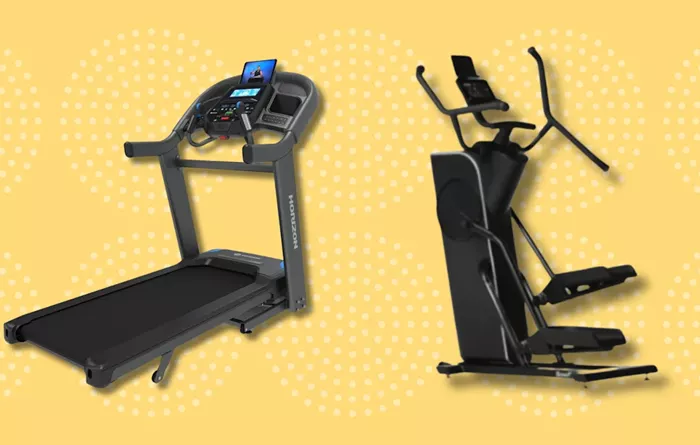
When it comes to cardio machines, not all are created equal. While gyms often lump treadmills, ellipticals, bikes, and rowers into the same “cardio” category, each piece of equipment serves unique fitness purposes.
Among the most commonly used are the elliptical machine and the treadmill—both staples in gyms of all sizes. But deciding between the two depends on your fitness goals, injury history, and personal preferences.
Understanding the Basics: How They Compare
Treadmills and elliptical machines share some features: adjustable speed, incline or resistance settings, and the ability to elevate your heart rate. Both guide movement in the sagittal plane—where your limbs move forward and backward.
However, how these machines look and feel is quite different. From impact level to muscle engagement, each machine offers a distinct exercise experience.
The Treadmill: Dynamic, Versatile, and Intense
The treadmill is a motorized platform designed for walking, jogging, or running. It mimics the natural mechanics of running and is ideal for interval training, endurance workouts, or incline walking.
“The treadmill is the most practical machine to progress a client with,” says Parnell. “I often start with walking, move to a brisk pace, and then add incline walking, aiming for 60 to 80 percent of the client’s max heart rate.”
Key Advantages:
Running Simulation: Perfect for run-specific training without concern for traffic or weather.
Interval Ready: Built-in timers and easy belt-straddling make switching between sprint and recovery effortless.
Incline Training: Elevating the incline engages glutes and hamstrings—popularized by the viral 12-3-30 workout (12% incline, 3 mph, 30 minutes).
The Elliptical: Low-Impact and Joint-Friendly
Elliptical machines feature foot pedals and moving handlebars that glide in a smooth, elliptical motion. This allows for a full-body workout that mimics walking or running—without any foot-strike impact.
“This is a low-impact aerobic machine, which is advantageous for joint protection,” Parnell explains.
Key Advantages:
Joint-Saving Motion: Ideal for people recovering from injuries or those with chronic joint pain.
Comfort for Larger Builds: Zero-impact design reduces stress on joints, and the guided path offers more stability.
Great for Steady-State Workouts: The elliptical is ideal for longer sessions—especially if you enjoy watching shows or reading while exercising.
Which Burns More Calories?
Calorie burn varies based on intensity, body weight, and duration. However, the treadmill tends to edge out the elliptical when it comes to raw energy expenditure.
According to the Compendium of Physical Activities:
- Running at 7 MPH on a treadmill = 11 METs
- Vigorous elliptical workout = 9 METs
Using the formula METs x 3.5 x body weight (kg) ÷ 200, a 180-pound person would burn approximately:
- 15.5 calories per minute on a treadmill
- 12.7 calories per minute on an elliptical
That said, both machines can be effective for fat loss and endurance training—what matters most is consistency and intensity.
How to Choose the Right Machine for You
Ultimately, there’s no one-size-fits-all answer. Both machines offer strong cardiovascular benefits, and the best choice depends on your individual goals and physical condition.
Choose the Treadmill if:
- You’re training specifically for running.
- You want to improve running mechanics.
- You enjoy sprint intervals or incline workouts.
Choose the Elliptical if:
- You have joint issues or are recovering from injury.
- You prefer a low-impact alternative.
- You want to zone out with a book or show during cardio.
Conclusion
Both the treadmill and the elliptical can be powerful tools in your fitness arsenal. Whether you prefer the high-intensity stride of a treadmill or the smooth glide of an elliptical, the best machine is the one that keeps you consistent and moving toward your goals.
READ MORE:
