
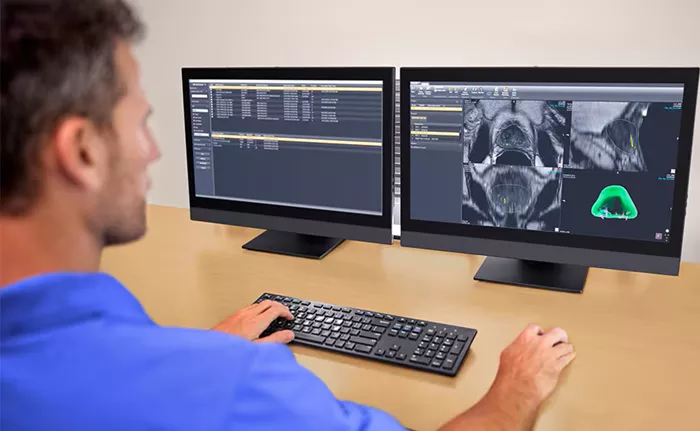
The newly enhanced UroNav system combines real-time ultrasound imaging with pre-acquired diagnostic MRI scans, offering clinicians greater accuracy during prostate biopsies and focal therapy. The system’s improved annotation workflow is designed to support procedural precision, streamline clinical tasks, and enhance diagnostic confidence.
Beyond imaging fusion, UroNav offers broader compatibility with existing ultrasound devices and needle guides, expanded privacy and security features, and full integration with Philips’ DynaCAD radiology and urology platforms. These updates aim to support physicians with a seamless interface and unified workflow across diagnostic and treatment planning stages.
“We’re helping clinicians deliver more precise prostate cancer care by streamlining complex workflows and delivering the insights they need,” said Martijn Hartjes, business leader of clinical informatics at Philips. “Our goal is to equip clinicians with the clinical tools required so they can deliver better care for more patients.”
A Broader Push into AI and Diagnostic Integration
This FDA clearance aligns with Philips’ broader strategy to embed AI and interoperability into its health technology offerings. Earlier in July, the company announced a strategic collaboration with electronic health record (EHR) giant Epic. The partnership will integrate Philips’ cardiac ambulatory monitoring and diagnostics tools into Epic’s specialty diagnostics suite, Aura.
This integration will automate tasks like patient onboarding, staff alerts, and record updates—freeing up time for clinicians and supporting seamless care coordination.
In parallel, Philips launched its ECG AI Marketplace, a centralized digital platform providing clinicians with access to a range of third-party AI-powered cardiac diagnostic tools. One of the first tools available on the marketplace is Anumana’s FDA-cleared ECG-AI LEF (Low Ejection Fraction) algorithm, enhancing clinicians’ ability to detect cardiac dysfunctions earlier and more efficiently.
Philips is also investing heavily in digital pathology. In March, it expanded its partnership with Ibex Medical Analytics to advance AI-driven cancer diagnostics. The companies jointly released the Philips IntelliSite Pathology Solution (PIPS), which integrates with Ibex’s Galen AI platform. Together, these technologies aim to boost diagnostic reproducibility and improve productivity in pathology labs dealing with rising patient volumes.
Promoting Maternal Health Through Digital Innovation
Beyond diagnostics, Philips has also extended its digital reach into maternal and child health. The company partnered with Ingeborg Initiatives to make its Pregnancy+ app available to expectant parents in Arkansas. The app provides access to over 800 educational articles, weekly pregnancy tracking, 3D fetal imaging, video courses, and local health resources—all curated to improve maternal health literacy and early childhood outcomes.
Philips Continues Expanding Its Digital Health Ecosystem
From cancer diagnostics to maternal wellness, Royal Philips is steadily expanding its digital and AI-enabled offerings across multiple healthcare sectors. Its strategy centers on integrating smart tools with major EHR systems, supporting early diagnosis, workflow automation, and patient empowerment. The FDA’s green light for the UroNav system further solidifies Philips’ role in the future of image-guided, minimally invasive prostate cancer treatment.
READ MORE
Prostate Test Kit Market to Double by 2034: Early Checks Key
Simple PSA Blood Test Cannot Reliably Detect Prostate Cancer
