
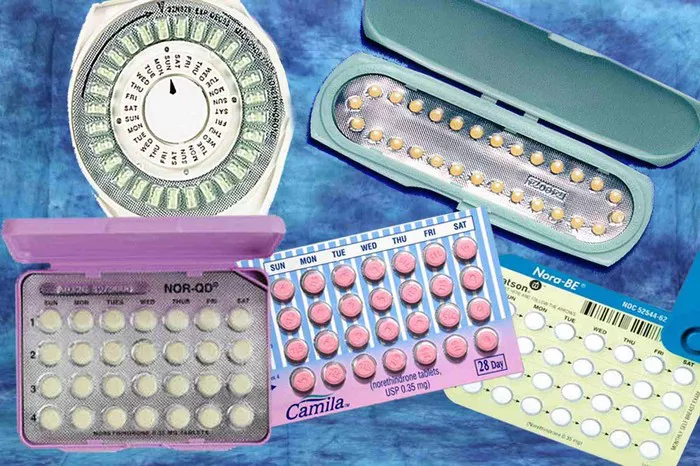
Nearly $10 million worth of U.S.-funded contraceptives are set to be incinerated in France, following months of stalled negotiations to reroute the supplies to low-income nations, multiple sources told Reuters.
The contraceptives — including pills, implants, and intrauterine devices (IUDs) — have been stored in a warehouse in Geel, Belgium, since early 2024. The stockpile was frozen after former President Donald Trump reinstated a ban on foreign aid related to abortion access and shut down operations at the U.S. Agency for International Development (USAID).
Sources with direct knowledge of the matter said the U.S. government rejected multiple offers from the United Nations and global health nonprofits to purchase or receive the contraceptives for redistribution to countries in need.
Instead, the stock — which remains unexpired and viable for use until as late as 2031 — will be trucked to France for destruction, a process expected to span two weeks and cost $160,000, according to four sources familiar with the operation.
Organizations like MSI Reproductive Choices, which provides contraception and abortion services globally, had volunteered to pay for repackaging and international shipping of the stock. Their request to remove USAID branding and ship the supplies to sub-Saharan Africa was declined by U.S. officials.
“We offered to cover repackaging, shipping, and import duties,” said Sarah Shaw, Associate Director of Advocacy at MSI. “The U.S. refused, saying they would only sell the goods at full market value. This is not about cost — it feels like an ideological attack on reproductive rights.”
The United Nations Population Fund (UNFPA) also made an offer to purchase the contraceptives but reportedly received no meaningful engagement from U.S. authorities. A source close to the talks suggested that adherence to the Mexico City Policy — which prohibits U.S. aid to organizations involved in abortion services — played a key role in halting the transaction.
A spokesperson from Belgium’s foreign ministry confirmed it had explored “all possible options to prevent destruction” and had proposed temporary relocation. But no viable solution was found.
Internal U.S. documents reviewed by Reuters indicate that the contraceptives were kept in climate-controlled storage and remained within their shelf life, with expiration dates ranging between April 2027 and September 2031.
However, the supplies bear the USAID trademark, and officials reportedly feared they could end up in the hands of organizations affiliated with abortion services — a direct violation of U.S. policy under the Trump administration.
While two bipartisan bills have been introduced in Congress to prevent the destruction of these medical supplies, aid groups believe they are unlikely to pass in time to halt the planned incineration.
“This is a loss not only in financial terms but in lives,” Shaw said. “Millions of women in underserved regions rely on these supplies to prevent unplanned pregnancies. Their destruction could lead to increased rates of unsafe abortions and maternal deaths.”
According to sources, dozens of trucks will be required to transport the vast supply from Belgium to the French incineration facility, which specializes in disposing of medical waste.
Neither the U.S. State Department nor Chemonics, the contractor managing USAID’s family planning supply chain, have commented on the decision. An internal USAID memo obtained by Reuters in April acknowledged the excessive warehousing of contraceptives and recommended “immediate transfer to another entity” to prevent unnecessary loss and costs.
Meanwhile, MSI and other advocacy organizations have publicly condemned the move, calling it “wasteful, ideologically driven, and harmful to global health.”
The French government has not responded to requests for comment.
Background on U.S. Aid Policy Shift
The decision is rooted in the reactivation of the Mexico City Policy — also known as the “Global Gag Rule” — which prohibits U.S. foreign aid from being used to support organizations that offer or promote abortion services, even with non-U.S. funds.
The rule has been alternately enacted and revoked by U.S. presidents along party lines since its introduction in 1984. Trump reinstated the policy in 2017 and expanded its scope during his first term.
Following his 2024 election win, Trump’s administration further curtailed international reproductive health aid, emphasizing stricter compliance with the anti-abortion stance.
READ MORE
Hormone-Free Male Birth Control Pill Passes Safety Test
