
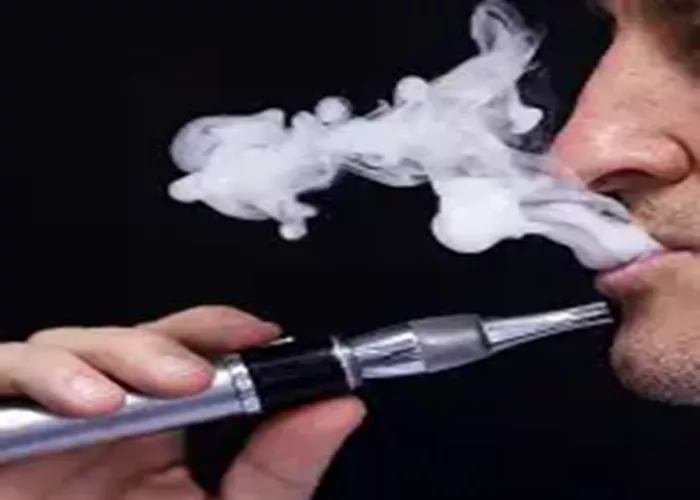
In Singapore, a youth health crisis is unfolding, fueled by e-cigarettes that range from addictive to drug-laced. “Watching my child being taken away day by day, and there’s nothing I can do,” one parent lamented, breaking their silence to share how e-cigarettes have dragged their children into a downward spiral. What seems harmless has become a new gateway for drugs to infiltrate families, exposing Singapore’s vulnerability in tackling this emerging addiction.
A recent incident on Father’s Day underscored the problem: a young couple was seen casually vaping outside a dim sum restaurant in Jalan Besar. Perhaps they thought no authorities would patrol on weekends, or that with so many people vaping, no one would report them. But little did they realize, the fumes they inhaled might carry the “breath of death.”
This is no exaggeration. The 2025 report by the UN Office on Drugs and Crime (UNODC) revealed that e-cigarettes not only contain nicotine but are often laced with cannabinoids and synthetic drugs by criminal groups. Disguised as pens or lighters, these devices are quietly infiltrating youth groups, posing severe health and social risks.
Data paints a grim picture: cases of students caught with or using e-cigarettes in Singapore surged from 800 in 2022 to 2,000 in 2024. Health Minister Ong Ye Kung acknowledged in Parliament that while secondary schools and tertiary institutions have stepped up checks, many offenders still slip through the cracks. Desperate parents have even reported their own children, hoping to stop their downward slide. Public health bodies are acting: the Health Promotion Board’s “I Quit” program, launched in 2014, now includes e-cigarettes, but a 24-hour reporting platform and real-time response mechanism remain lacking.
Enforcement challenges are equally stark. Despite a total ban on e-cigarettes since 2018, Singapore’s Health Sciences Authority seized SGD 41 million worth of vaping devices in the past 18 months—far exceeding the total seized from 2019 to 2023.
More alarming is the discovery of etomidate, a controlled anesthetic, in some e-liquids. Such toxic vaping products have caused multiple severe cases of abnormal behavior and hospitalizations among teenagers. Many draw parallels to Singapore’s 1980s glue-sniffing epidemic, which left 23 dead, forcing parents to lock their children at home to prevent them from buying toxic glue. Today, a similar tragedy is repeating itself, but in a more hidden, high-tech form.
Schools have started issuing warnings via parent-teacher communication platforms, urging families to monitor their children’s behavior. But school efforts alone are insufficient. Without a society-wide response, this is merely the prelude to a larger crisis. Under Singapore’s current laws, individuals caught using, possessing, or buying e-cigarettes face fines up to SGD 2,000; sellers, importers, or distributors risk fines up to SGD 10,000 and six months in jail. Yet for addicts, these penalties are just cold numbers—they crave the “comfort in the smoke” desperately.
Children must understand: every time they put an e-cigarette to their lips, they inhale not “happiness,” but a toxic fog that destroys their future. Silence is no longer an option. The crisis is here, and it is our next generation.
Related topics:
Motorcycle Rally Aims to Fight Prostate Cancer
