
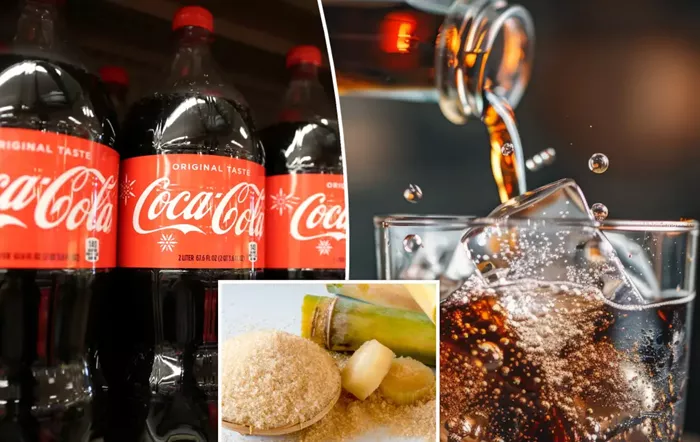
Coca‑Cola has officially confirmed that this autumn it will introduce a new version of its flagship soda sweetened with U.S.-grown cane sugar, marking a strategic departure from the high-fructose corn syrup (HFCS) formula dominant in the U.S. market since the 1980s.
The beverage giant emphasized this addition will “complement” its current product line—rather than replace it—aiming to offer more choice amid shifting consumer preferences.
This move follows public encouragement from former President Donald Trump, who publicly claimed he discussed the formula change with Coca‑Cola’s CEO via Truth Social, asserting “REAL Cane Sugar” is “just better!”.
Though the White House role is more political than operational, Coca‑Cola acknowledged Trump’s enthusiasm, while stressing any new product must stand on its own in the market.
Why Now? Cost, Politics, and Consumer Demand
There are three main drivers behind the strategy:
1.Consumer Demand & Brand Strategy
Imported “Mexican Coke,” sweetened with cane sugar and sold in glass bottles, has attracted a loyal niche since 2005. Fans often report a distinct flavor profile and are willing to pay a premium.
2.Political Influences
The push aligns with the “Make America Healthy Again” (MAHA) initiative led by Secretary Robert F. Kennedy Jr., who has been vocal against HFCS, calling it a driver of obesity and diabetes.
Kennedy praised the development as a MAHA success, though the FDA has not labeled HFCS unsafe.
3.Economic & Supply Chain Considerations
Cane sugar is more expensive than domestically subsidized corn syrup and subject to import tariffs. Industry analysts caution that scaling cane sugar could raise costs for both the company and consumers, and political donors in the sugar industry—like José Fanjul—may benefit.
Health: Marginal Gains or Marketing Hype?
Nutrition experts are divided. While HFCS typically contains slightly more fructose (~55%) than cane sugar (~50%), both meet the FDA’s criteria for added sugar and pose similar health risks when consumed in excess—such as obesity, type 2 diabetes, fatty liver, and heart disease.
A comprehensive 2022 review found no significant differences in weight, blood glucose, or insulin response between HFCS and cane sugar consumers.
The American Medical Association echoed this, concluding neither sweetener appears more harmful.
Experts stress that reducing overall sugar intake—not switching types—is the key to better health.
Still, some consumer preference exists: cane sugar is perceived as “less processed” and is a popular ingredient in imported Mexican Coke.
A New York Post review noted cane sugar’s marginal health difference from HFCS, though it cautioned that extremes in consumption of either are unhealthy.
What Comes Next?
Coca‑Cola has not provided pricing or detailed packaging designs. The fall introduction will act as a test to gauge consumer acceptance. Meanwhile, the company will continue production of HFCS-sweetened Coke, especially where that remains cost-effective.
Biochemically, cane sugar and HFCS are more similar than different, offering around nine calories per gram with near-identical health implications.
Therefore, public health advocates emphasize moderation and reduced sugar consumption as the real solution.
Conclusion
Coca‑Cola’s move to add a cane sugar–sweetened soda to its U.S. lineup reflects a blend of consumer trends, political influence, brand strategy, and health messaging. However, nutrition experts caution that replacing HFCS with cane sugar offers little meaningful health benefit. Ultimately, regardless of sweetener, it’s the amount consumed that matters most in safeguarding health.
READ MORE
