
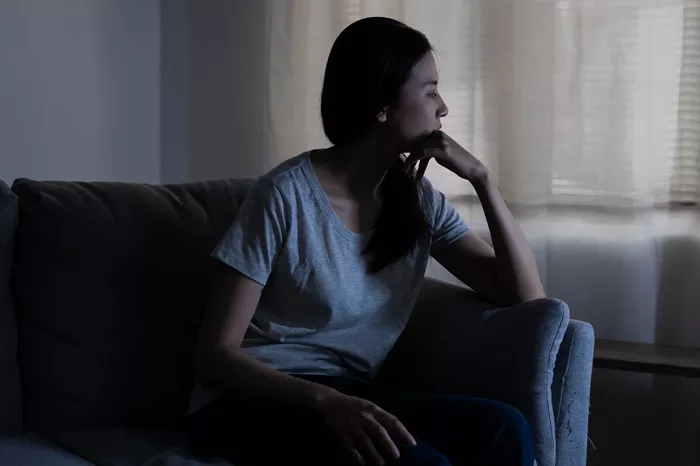
Anxiety disorders are widespread—by 2025, about 42.5 million U.S. adults are affected, and a recent poll found that 43% of adults report increased anxiety over the past year, up from 37% in 2023 and 32% in 2022. Many of these individuals describe their anxiety as peaking at night, even if stressors are present during the day.
What Makes Nighttime Worse? The Biology of Darkness
At night, the body’s hormone rhythms shift. Cortisol, the key stress hormone, normally peaks in the morning and declines as evening approaches. But for people under chronic stress or with disrupted sleep patterns, cortisol can remain elevated into nighttime, preventing relaxation and fueling anxiety.
Concurrently, melatonin rises to promote sleep—but stress and blue light exposure from screens can blunt its calming effect, delaying drowsiness and intensifying tension.
Cognitive fatigue also plays a role. Prolonged wakefulness diminishes the brain’s emotional regulation ability, so as sleep pressure builds, self-control over anxious or intrusive thoughts weakens. This makes negative thinking feel more uncontrollable at night.
Quiet Hours Invite Rumination
Daytime distractions—work, social contact, chores—help suppress anxious thoughts. Once night arrives, the “noise” disappears, and intrusive thoughts are free to surface. Specialists describe this as the brain’s opportunity to process the day’s unresolved stress, culling in worries about relationships, finances, or future events. This cognitive loop, often called rumination, is a well-known contributor to nighttime anxiety.
Nighttime panic attacks are also a concern. Up to 70–75% of people with panic disorder report nocturnal episodes. That fear of having a panic attack can itself create anticipatory anxiety at bedtime.
Sleep Anxiety: A Self-Reinforcing Cycle
Anxiety and sleep quality are interconnected in a loop: anxiety disrupts sleep, and poor sleep worsens anxiety. Surveys show that individuals who sleep through the night tend to report better mental health, while frequent nighttime waking is linked to significantly poorer psychological well-being. In people with generalized anxiety disorder, up to 75% say their symptoms are worst at night, accompanied by insomnia in over half of cases.
Evening Habits That Worsen Anxiety
Screen use before bed: The blue light emitted from smartphones, tablets, and TVs suppresses melatonin, delaying sleep and ramping up mental alertness. Viewing stressful social media content or doomscrolling into the night elevates cortisol and sympathetic activity.
Caffeine and late exercise: Stimulants impair the nervous system’s ability to down-regulate. Heavy exercise too close to bedtime can have a similar activating effect.
Irregular routines: Being inconsistent with sleep/wake times disrupts circadian rhythm, making the body less prepared for relaxation at night.
Symptoms of Nighttime Anxiety
Common signs include racing or intrusive thoughts, racing heartbeat, breathlessness, muscle tension, restlessness, stomach discomfort, panic about potential catastrophes, and frequent nighttime awakenings. These symptoms often feel more intense after dark.
Effective Steps to Reduce Night Anxiety
Consistent sleep-wake schedule: Going to bed and waking at the same time—even on weekends—stabilizes circadian rhythms.
Wind-down routines: Calming activities like a warm bath, soft music, journaling, or aromatherapy help signal to your body that sleep is imminent.
Scheduled “worry time”: Allocate a set 10‑minute block earlier in the day to process concerns. If worries emerge at night, mentally defer them to that time and jot them in a journal instead.
Digital curfew: Avoid screens and distressing news in the hour before bed to preserve melatonin production and reduce emotional arousal.
Relaxation techniques: Deep breathing, guided meditation, progressive muscle relaxation, and guided imagery can de-escalate the physiological stress response.
Get out of bed if needed: If you haven’t slept within ~15 minutes, stand up and do something non-stimulating—this prevents forming an anxious association with your bed.
Therapy like CBT: Cognitive Behavioral Therapy, particularly for insomnia (CBT‑I), shows broad effectiveness in breaking the cycle of anxiety and sleeplessness.
Seek professional support: For persistent or severe anxiety, medical or psychological intervention may be required. Misunderstanding anxiety as a personal weakness rather than a health condition delays treatment—one in three adults think anxiety is not a medical issue
Broader Context & Related Patterns
Sunset Anxiety: Many individuals experience a rise in anxiety specifically as daylight fades. Though not a clinical diagnosis, experts recognize this as a real and distinct phenomenon, intensified during winter or in those sensitive to light changes and emotional transitions at end-of-day.
Morning vs Night Patterns: Circadian patterns create individual differences—“night owls” are more prone to anxiety later in the evening, while “early birds” may feel worse in the morning due to cortisol fluctuations and habitual thought patterns.
Conclusion
Anxiety at night isn’t just in your head—there are real biological, psychological, and environmental reasons for why it intensifies after sundown. Understanding the biology (hormones, circadian rhythm), cognitive context (rumination, fewer distractions), and lifestyle factors (screens, routine) empowers you to put concrete steps in place.
By practicing consistent sleep hygiene, establishing gentle pre‑bedtime rituals, scheduling worry time earlier in the day, and using relaxation techniques, many can significantly reduce nighttime anxiety. When anxiety persists, seeking mental health support is essential—not a sign of weakness but a path to better well‑being.
Related topics:
How to Stop Anxiety Night Sweats Naturally?
What Helps With Anxiety At Night?
How To Combat Nighttime Anxiety: Expert Tips For Better Sleep
