
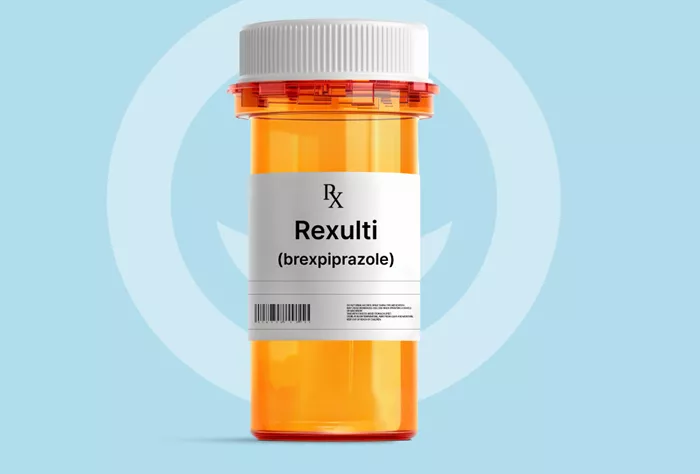
In a significant development in psychiatric medicine, the FDA’s Psychopharmacologic Drugs Advisory Committee met on July 18, 2025, to evaluate a supplemental New Drug Application (sNDA) from Otsuka and Lundbeck.
The application proposed combining brexpiprazole (Rexulti) with sertraline (Zoloft) for adults with post‑traumatic stress disorder (PTSD). The advisory panel voted against recommending approval by a wide 10–1 margin, marking a substantial setback for this potential new treatment option.
Why the Vote Was So Overwhelmingly Negative
The panelists expressed serious concerns about the mixed clinical trial evidence. Otsuka presented data from three trials: two phase‑3 studies and one phase‑2 study. Study 071, a flexible‑dose phase‑3 trial, showed statistically significant superiority of the combination therapy over sertraline alone, with nearly 19.2‑point vs 13.6‑point reductions on the CAPS‑5 PTSD severity scale.
However, Study 072, a fixed‑dose phase‑3 trial, failed to meet its primary endpoint—neither the 2 mg nor 3 mg brexpiprazole arms demonstrated benefit over sertraline plus placebo.
The phase‑2 study (061) added nominal support via post‑hoc analyses, but statisticians noted that these analyses were not pre‑specified, raising concerns about the validity of the findings.
FDA staff had already flagged this discrepancy before the meeting, highlighting “discordant results” and deeming the overall treatment effect to be modest.
Furthermore, advisory panel members voiced concerns about safety and side-effect risks. While the addition of brexpiprazole didn’t introduce new safety signals, there were typical adverse events such as nausea, weight gain, fatigue, and somnolence—expected with antipsychotics.
Weight gain, in particular, was more common in the combination group, and the long-term risk of movement disorders added to the panel’s caution.
What This Means for Patients and Clinicians
With an estimated 3.6% of U.S. adults affected by PTSD each year—translating to around 13 million Americans—there remains a glaring treatment gap.
Despite the two FDA‑approved SSRIs (sertraline and paroxetine), a large proportion of patients do not achieve remission. Executive editorials have emphasised that no new PTSD medications have emerged in more than two decades, highlighting ongoing therapeutic challenges.
Gus Alva, MD, who is associated with the analysis published in Psychiatric Times, remarked that a 10–1 vote is “probably the worst potential outcome” and compared it to the prior rejection of MDMA‑assisted therapy.
He predicted that FDA would likely request another trial—likely phase‑3—which would delay any potential approval significantly and impose considerable costs on the sponsors.
Industry and Sponsor Responses
In a joint statement dated July 19, Otsuka and Lundbeck acknowledged the disappointing advisory outcome, but affirmed their commitment to working with FDA to address the committee’s concerns .
John Kraus, MD, Chief Medical Officer at Otsuka, stated that the companies continue to believe in Rexulti’s potential and will collaborate closely with regulators.
What’s Next for Brexpiprazole and PTSD Drug Development
FDA’s Final Decision Pending
The agency typically aligns with advisory committees but isn’t legally obliged to do so. No new action date has been set, delaying a much‑anticipated regulatory milestone.
Likely Request for Additional Trials
Sponsors may need to conduct at least one more robust, well‑designed phase‑3 study with consistent endpoints to establish efficacy definitively.
Continued Innovation in Psychiatry
Despite this setback, experts remain hopeful that new treatment modalities with diverse mechanisms—such as novel antidepressants, psychoplastogens, and precision therapeutics—are entering the pipeline.
Broader Implications for PTSD Research
The vote reflects the FDA’s increasingly exacting standards. Sponsors must ensure consistency across trials and demonstrate clear clinical benefit beyond statistical significance.
Conclusion
The advisory committee’s resounding 10–1 vote against the brexpiprazole–sertraline combination exposes both the challenges in PTSD drug development and the agency’s insistence on reliable, consistent data.
Related topics:
Dutch Safety Regions Implement Comprehensive PTSD Support for Firefighters
Surge in PIP Entitlement as Mental Health Claims Soar Across UK
New global review confirms Postpartum depression harms parenting outcomes
