
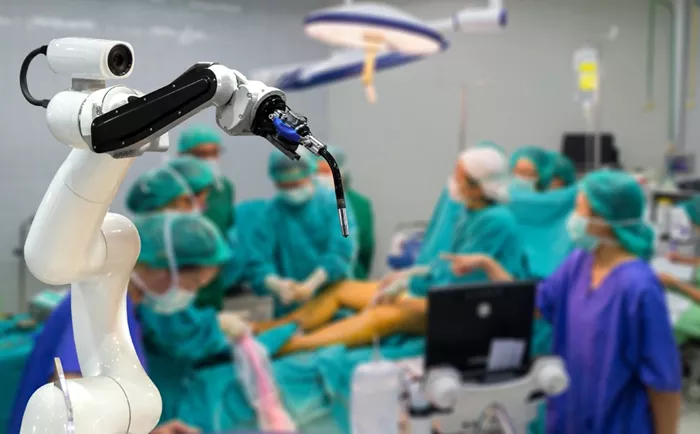
Robotic surgery, far from being an autonomous, creepy machine operation, is a surgeon-controlled tool that benefits health.
The system comprises two key parts: tiny instruments with a greater range of motion than human hands, capable of grasping, cutting, and sewing tissue, and a high-definition 3D camera that provides surgeons with a clearer view than the naked eye.
Typically used in minimally invasive procedures—avoiding large incisions and excessive tissue damage—robotic surgery offers notable health advantages.
It enables remote operations, allowing distant specialists to treat urgent cases in remote areas, such as removing brain artery blood clots to reduce stroke damage, as noted in a May 2025 JAMA Neurology study. Additionally, it shields surgeons from radiation during procedures involving X-rays.
While traditional surgery may better achieve immediate surgical goals (e.g., removing a diseased appendix), recovery is slower.
Comparisons between robot-assisted and non-robot minimally invasive methods are inconclusive, but many surgeons opt for robots when they believe it will yield superior results for a patient. Tens of thousands of surgeons globally rely on these tools, emphasizing their role as a valuable, health-focused aid in modern medicine.
Related topics:
How Much Does Uterine Fibroid Surgery Cost on Average?
Understanding Prostatectomy: Modern Surgery and Who Needs It
