
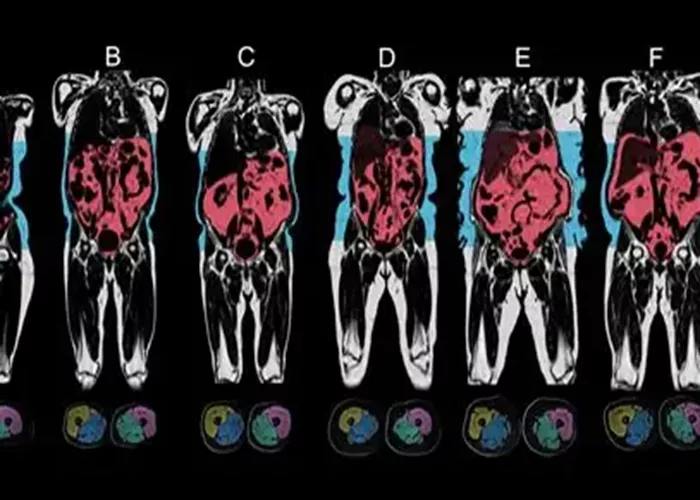
On the 14th local time, the UK Science Media Centre announced that the UK Biobank has successfully completed the world’s largest – scale human imaging project, conducting full – body scans of 100,000 volunteers. Spanning 11 years, this research has collected magnetic resonance imaging (MRI) data of the brain, heart, abdomen, blood vessels, bones, and joints, generating over 1 billion high – resolution medical images in total. These images will provide global researchers with a rich “reference map of human health”.
The project was piloted in 2014, with more than 7,000 volunteers undergoing MRI scans, setting a record at that time. The main phase was launched in 2016, during which 100,000 volunteers each received about 5 – hour imaging examinations. Meanwhile, their lifestyle, physical index, genomic information, and blood samples provided over the past 15 years were updated.
During each imaging session, the team collected more than 12,000 MRI images of the brain, heart, and abdomen for each volunteer. Additionally, full – body scans were performed to measure bone density and body fat, and carotid artery ultrasound examinations were completed.
The research team stated that this imaging study has completely transformed the landscape of biomedical research. The massive amount of data has promoted a leap in computational image analysis technology.
Since 2015, the UK Biobank has been releasing this imaging data in batches to researchers worldwide. Currently, more than 1,300 peer – reviewed papers have been published based on this data, and the related achievements are being translated into clinical practice. These imaging data have not only had a positive impact on the current physical health of patients but also promoted the progress of medical research, holding the promise of giving rise to new diagnostic tests and treatment methods.
The second phase of the project was launched in 2022, planning to conduct repeated imaging on 60,000 of the volunteers to observe the trajectory of physical changes. It is expected to be completed in 2029. All imaging data will be available to approved researchers globally through the UK Biobank research platform by the end of 2025.
Rory Collins, the principal investigator of the UK Biobank and a professor at the University of Oxford, said that the scale of this imaging program is unprecedented. It is making the “invisible disease processes” visible and will re – define people’s understanding of health, aging, and risk prediction.
Related topics:
Inside Silicon Valley’s Drive to Create Healthier, Disease-Free Babies
Routine Tetanus and Diphtheria Boosters May No Longer Be Necessary for Adults
