
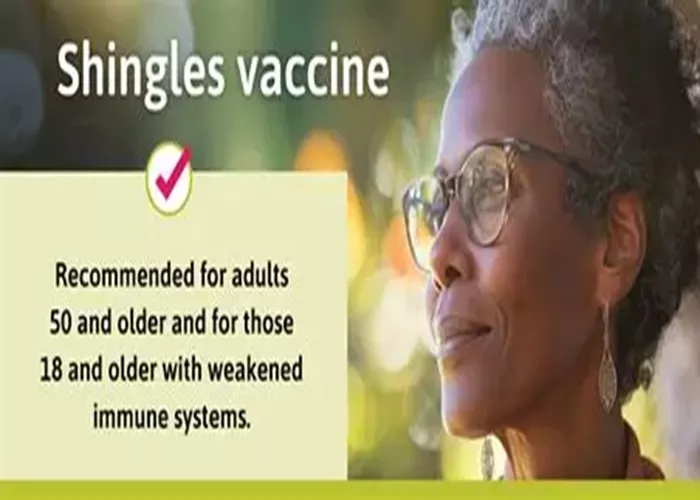
In July 2025, the World Health Organization (WHO) released its latest “Shingles Vaccine Position Paper”. Based on the latest scientific evidence, it strongly recommends that people aged 50 and over get vaccinated against shingles.
Shingles is a disease caused by the reactivation of the varicella-zoster virus. According to the “Shingles Vaccine Position Paper”, 95% of adults aged 50 and over carry the virus in their bodies. About one-third of people will develop the disease in their lifetime, and by the age of 85, the risk of getting shingles rises to 50%.
Shingles Is More Than Just a Skin Disease
The typical symptoms of shingles are painful blisters that follow the path of nerves, commonly seen on the chest, back, head, face, or neck. Eighty percent of patients experience prodromal symptoms such as tingling, itching, or a burning sensation 2 to 4 days before the rash appears. The acute phase is often accompanied by severe pain. In some patients, it can even develop into post-herpetic neuralgia, with pain lasting for months or even years, seriously affecting the quality of life.
Besides the intense pain, shingles can also trigger a variety of serious complications. These include secondary bacterial infections and nervous system damage like meningoencephalitis. When the virus invades the ophthalmic division of the trigeminal nerve, it can cause keratitis and uveitis, and in severe cases, lead to permanent vision loss. Alarmingly, the latest large-scale studies have confirmed that varicella-zoster virus infection is significantly associated with an increased risk of cerebrovascular accidents.
Double Threat of Shingles to Chronic Disease Patients
Chronic disease patients face a higher risk of shingles and more serious health threats. Clinical data shows that the likelihood of diabetics getting shingles is 84% higher than that of the general population, and the infection risk for cardiovascular disease patients also increases by 39%.
Particularly, chronic disease patients often experience more severe symptoms after infection. The incidence of post-herpetic neuralgia in these patients is 4.3 times that of healthy people. Moreover, shingles can exacerbate underlying diseases. For example, diabetics may have difficulty controlling their blood sugar, and the risk of acute events in cardiovascular patients increases significantly. Specifically, the risk of myocardial infarction increases by 68% in the first week after infection, and the risk of stroke rises by 78% in the first month.
The WHO’s recommendation provides important guidance for preventing shingles among people aged 50 and over worldwide. Vaccination is currently an effective way to prevent shingles and its severe complications. Eligible individuals should actively consider getting vaccinated to protect their health.
Related topics:
Natural Bodybuilders Say Upright Rows Boost Side Delt Growth
Traumatic Birth Leaves Swansea Mother With PTSD and Depression
Poor Chewing Ability and Depression Together Raise Risk of Constipation
