
In a groundbreaking development for head and neck cancer treatment, an international phase III trial has found that adding the immunotherapy drug nivolumab to standard post-surgery chemo-radiation significantly reduces the risk of recurrence and improves long-term outcomes. The findings, released by France’s Head and Neck Radiation Oncology Group, offer a glimmer of hope for patients with high-risk forms of the disease, marking the first major post-surgical breakthrough in this field in nearly two decades.
The trial, which enrolled 680 high-risk patients across multiple global sites, compared outcomes between two groups: one receiving nivolumab in addition to standard chemo-radiation, and a control group undergoing only the standard treatment. The results were striking: three-year disease-free survival rates reached 63% in the nivolumab group, compared to just 52% in the control group. This 11% difference represents a substantial improvement in patients’ chances of remaining cancer-free long after surgery—a critical metric for a disease known for its aggressive recurrence patterns.
Lead researcher Professor Tao Yunggan from Paris’ Gustave Roussy Cancer Center, Europe’s largest cancer research and treatment institute, emphasized the trial’s historic significance. “This is the first time since 2004 that we’ve seen a post-surgical immunotherapy approach deliver such clear benefits for head and neck cancer patients,” Prof. Yunggan stated. “For years, post-operative care has relied on chemo-radiation alone, with limited progress in reducing recurrence. Nivolumab changes that paradigm.”
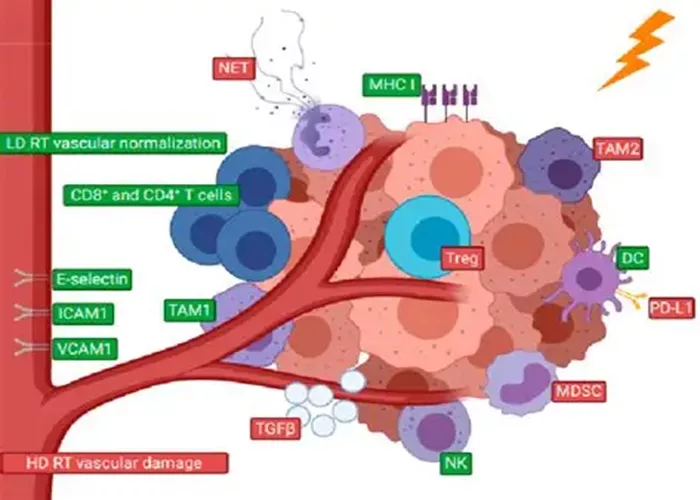
Nivolumab, a monoclonal antibody, works by blocking a protein called PD-1 on the surface of immune cells, effectively “unmasking” cancer cells that would otherwise evade detection. This mechanism allows the immune system to recognize and attack remaining cancerous cells—known as micrometastases or residual—that may linger after surgery, even when undetectable by imaging scans. While nivolumab is already approved for extending survival in advanced, metastatic head and neck cancer cases, this trial is the first to demonstrate its efficacy in the post-operative setting, where preventing recurrence is key to curing the disease.
Head and neck cancers, which include tumors of the mouth, throat, larynx, and sinuses, are often diagnosed at advanced stages, and even after successful surgery, many patients face high recurrence rates due to the disease’s tendency to spread to nearby tissues or lymph nodes. The standard post-surgical treatment—chemo-radiation—aims to kill remaining cancer cells but can cause severe side effects, including difficulty swallowing, dry mouth, and fatigue, while not always preventing recurrence. The addition of nivolumab offers a new layer of protection, leveraging the body’s own immune system to complement traditional therapies.
The success of nivolumab in this trial underscores the growing role of immunotherapy in oncology, a field that has revolutionized cancer care by activating the body’s immune system to fight tumors. Beyond head and neck cancer, immunotherapies have shown remarkable promise in treating lung cancer, melanoma, and kidney cancer, among others, often extending survival in cases where traditional treatments fail. However, experts note that challenges persist: limited drug options for certain cancer types, high treatment costs that restrict access, and potential side effects—such as immune-related inflammation of organs—remain barriers to broader adoption.
Despite these hurdles, research into next-generation immunotherapies is advancing rapidly, with a focus on precision medicine. Scientists are exploring bispecific antibodies, which can target two different cancer cell proteins at once, and personalized vaccines tailored to a patient’s unique tumor mutations, aiming to enhance immune responses while minimizing side effects. These innovations, coupled with findings from trials like the nivolumab study, are inching the field closer to more effective, tailored cancer care.
For patients with high-risk head and neck cancer, the trial’s results offer more than just statistical hope. “A 63% three-year disease-free survival rate means more time with family, more chances to return to work, and a greater sense of security,” said Prof. Yunggan. As oncologists and researchers continue to refine immunotherapy’s role in post-surgical care, the future for head and neck cancer patients is brighter than it has been in years—proof that even in the face of a formidable disease, medical progress remains unstoppable.
Related topics:
Traumatic Birth Leaves Swansea Mother With PTSD and Depression
Natural Bodybuilders Say Upright Rows Boost Side Delt Growth
