
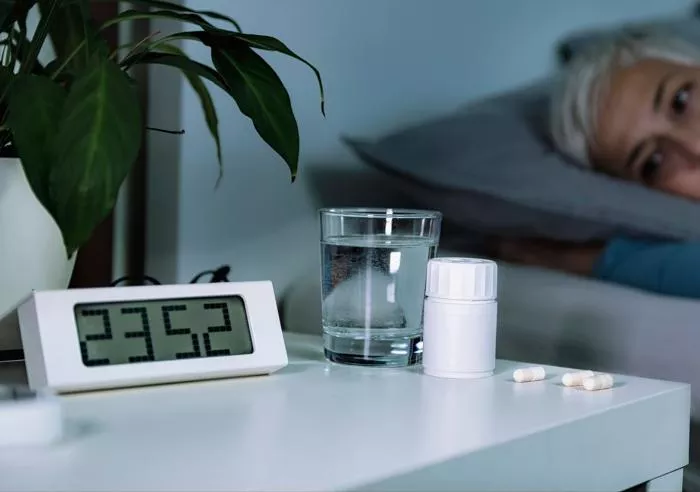
A new study suggests that insomnia may be the key factor linking attention deficit hyperactivity disorder (ADHD) traits to lower life satisfaction in adults.
The research, led by the University of Southampton in collaboration with the Netherlands Institute for Neuroscience, was published on July 15 in BMJ Mental Health. It found that adults with stronger ADHD traits often report worse sleep, especially insomnia, which may partly explain their lower quality of life.
At least 25% of people with ADHD report sleep-related issues, and insomnia is the most common among them. This study highlights how sleep problems may not only stem from ADHD symptoms like hyperactivity and impulsivity but may also worsen them, creating a cycle that affects both mental and emotional health.
“Our findings show a clear link between ADHD traits, insomnia, and reduced life satisfaction,” said Dr. Sarah L. Chellappa, Associate Professor of Psychology at the University of Southampton and senior author of the study. “Sleep disruptions impact attention, emotional control, and overall wellbeing.”
The research team analyzed data from the Netherlands Sleep Registry, which included more than 10,000 adults. For this study, they focused on responses from 1,364 participants who provided information about ADHD symptoms, sleep habits, mood, and quality of life.
Their analysis revealed that people with more severe ADHD traits also experienced higher rates of depression, worse insomnia, lower overall sleep quality, and a tendency to sleep and wake later.
The findings suggest that both ADHD traits and insomnia are linked to lower life satisfaction, with insomnia likely playing a central role in that connection.
“Adults with ADHD traits often face a combination of poor sleep, low mood, and decreased life satisfaction,” said co-author Professor Samuele Cortese, also from the University of Southampton. “We need more research to fully understand this relationship. But targeting insomnia with treatments like Cognitive Behavioural Therapy for Insomnia (CBT-I) or Sleep Restriction Therapy could potentially help improve quality of life for these individuals.”
The study, titled Associations of ADHD symptom severity, sleep/circadian factors, depression, and quality of life, is now available online through BMJ Mental Health. The research received funding from the Netherlands Organisation for Scientific Research and the European Research Council.
Related topics:
